


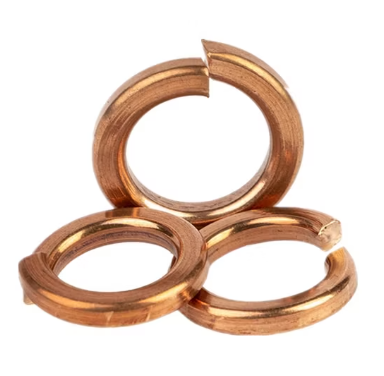
Selecting the right spring washer size is essential for maintaining bolt tension and ensuring proper load handling in industrial, automotive, and mechanical applications. Using the wrong size can cause bolts to loosen, washers to deform, or components to misalign.
This guide covers everything you need to know about spring washer sizing, types, installation tips, and load considerations.
Accurate measurement is the first step in spring washer sizing. The main dimensions to check are:
Inner Diameter (ID): Must match your bolt diameter for a correct spring washer fit.
Outer Diameter (OD): Determines the washer surface area for proper load distribution.
Thickness: Affects bolt tension and washer flexibility.
Always use precise tools for bolt diameter measurement and consider both static and dynamic loads to avoid selecting the wrong washer.
When choosing a washer, it’s important to consider:
Bolt Size: Inner diameter should match the bolt to ensure proper tension.
Load Requirements: Heavier loads require heavy-duty spring washers with higher load capacity.
Installation Space: Check spring washer installation space and mechanical assembly clearance to avoid interference.
Expert tip: Use a washer dimension guide or spring washer size chart for accurate selection.
Different bolts require washers of corresponding sizes:
M6 bolt: 6mm inner diameter washer
M8 bolt: 8mm inner diameter washer
M12 bolt: 12mm inner diameter washer
Matching the size ensures proper load handling and optimal bolt tension, reducing maintenance issues.
Follow these steps for precise spring washer selection:
Measure your bolt accurately using proper tools.
Check load requirements: heavy machinery needs thicker washers for higher tension.
Verify installation space to ensure washers can flex.
Select the right washer type: choose from Belleville washers, wave washers, or curved spring washers based on application.
Compare with standard spring washer sizes for cost-effective washers and easier replacements.
This process ensures your industrial spring washers perform reliably under mechanical stress.
Using the wrong washer size can cause:
Bolts loosening due to insufficient tension
Washer deformation under heavy-duty load capacity
Interference with surrounding components
Proper selection improves mechanical fasteners performance, prevents wear, and maintains assembly integrity.
A spring washer size chart is a handy reference:
| Bolt Size | Inner Diameter | Outer Diameter | Recommended Type |
|---|---|---|---|
| M6 | 6mm | 12mm | Wave Washer |
| M8 | 8mm | 16mm | Belleville Washer |
| M10 | 10mm | 20mm | Curved Washer |
This ensures spring washer selection matches both industrial and mechanical applications, improving load handling and bolt tension.
Types of spring washers and their ideal applications:
Belleville washers: Best for heavy-duty applications
Wave washers: Suitable for lighter loads and vibration control
Curved washers: Medium loads with flexible application
Choosing the right type and size combination improves mechanical reliability and ensures proper load distribution.
To determine the correct dimensions:
Measure the bolt diameter carefully.
Decide the outer diameter needed for proper load distribution.
Select the thickness based on washer tension optimization.
Accurate calculation ensures your industrial spring washers maintain bolt tension and long-term performance.
Avoid these errors:
Using washers too large or too small
Ignoring load requirements for heavy-duty spring washers
Overlooking spring washer installation space or mechanical assembly clearance
Selecting the wrong washer type for the application
Following proper practices ensures reliable mechanical fasteners performance.
When buying, consider:
Top-rated spring washers for machinery in UAE
Buy high-quality spring washers by size guide
Order spring washers of specific sizes online
Custom-sized spring washers for machinery needs
Where to find durable spring washers in specific sizes
These options ensure assemblies maintain proper bolt tension and load handling.
Proper installation improves performance:
Ensure enough space for washer flex
Avoid over-compression
Account for working height (compressed vs. uncompressed)
Place washers correctly to maintain bolt tension
Following these tips maximizes mechanical reliability in all applications.
Learn how to choose the correct spring washer size for bolts and machinery. Expert tips on load handling, washer types, tension, and installation for reliable mechanical performance.
No. Oversized washers reduce tension and can interfere with components. Always use the correct inner diameter.
Thickness depends on load requirements and available space. Heavier loads require thicker industrial spring washers.
Yes. Sizes range from M2 to M24, making replacements cost-effective washers.
Belleville washers are ideal for high-load applications.
Ensure enough mechanical assembly clearance, allow flex, and avoid over-compression.
Choosing the right spring washer size ensures optimal bolt tension, enhances load handling, and prevents mechanical failures. Proper sizing and installation of industrial spring washers extend the life of your equipment and improve assembly reliability.
Upgrade your machinery with the perfect spring washer fit today. Order high-quality spring washers online or consult our expert sizing guide to get started.
November 14, 2024
November 28, 2024
December 14, 2024
December 28, 2024
January 17, 2025
All Rights Reserved © Hamza Fasteners