



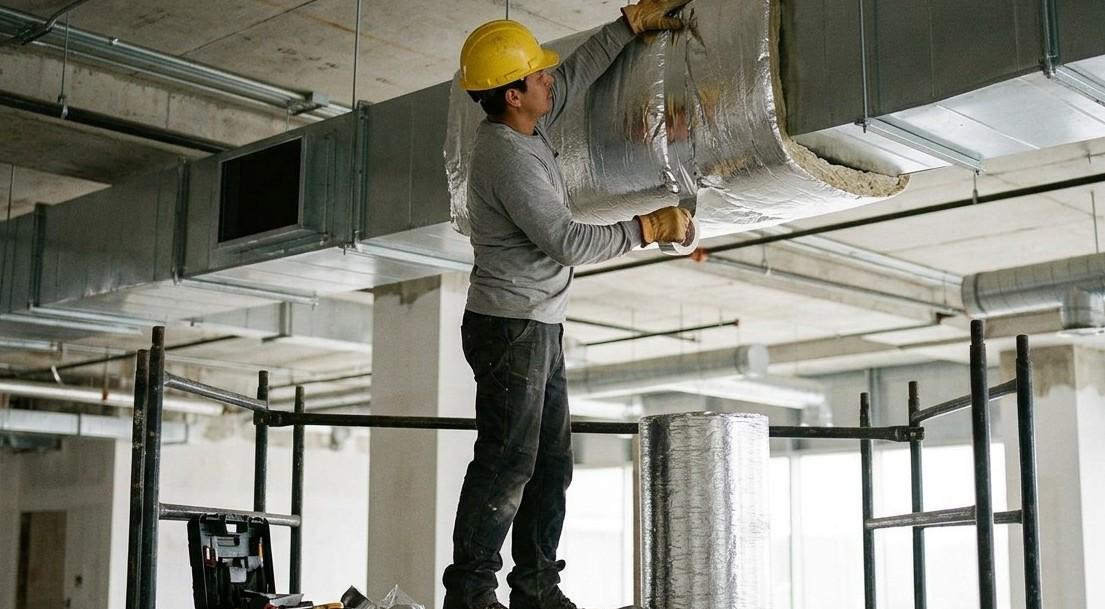
Heating, ventilation, and air conditioning (HVAC) systems require effective insulation to improve energy efficiency, reduce heat loss, and prevent condensation. Rockwool pins securely fasten mineral wool insulation, ensuring long-lasting performance.
Whether insulating commercial ductwork or industrial HVAC systems, proper installation is essential for reliable results. This guide explains how to install Rockwool pins safely and professionally.
Rockwool pins are metal fastening systems designed to secure stone wool insulation boards or blankets to sheet metal HVAC ducts. They are commonly available in two types:
Once installed, a retaining washer is pushed onto the pin to firmly hold the insulation against the duct surface. Excess pin length is then trimmed for safety. If you’re unsure which fastening system is best for your application, our complete guide on Rockwool pin types and uses can help you compare different options and choose the right solution for your HVAC insulation project.
Properly installed Rockwool pins keep insulation securely in place, maintain thermal performance, and protect the vapor barrier. Welded pins are preferred for heavy-duty systems, while self adhesive pins suit approved lighter applications.
Correct installation of Rockwool pins provides several important benefits:
Poorly installed insulation can develop gaps, reducing energy efficiency and increasing HVAC operating costs.
Before starting, gather the following equipment:
Rockwool installation guides also recommend sealing all insulation joints using aluminum foil tape to maintain a continuous vapor barrier.
Before purchasing insulation fasteners, it’s worth understanding what influences pricing. Our guide on Rockwool insulation pins price in UAE explains the key cost factors, helping you compare options and choose the right products for your HVAC insulation project.
Before installing Rockwool pins, ensure the HVAC duct surface is clean and free from contaminants. Proper surface preparation helps create a secure and long-lasting bond.
Remove:
A clean and completely dry metal surface improves the performance of both welded and self adhesive insulation pins.
Correct pin spacing ensures the insulation remains firmly attached without sagging over time. The layout should be planned before any pins are installed.
Consider:
Before installation:
Following the manufacturer’s recommended spacing helps achieve reliable insulation performance.
Install the Rockwool pins using the fastening method specified for your project. The installation process differs depending on the type of insulation pin used.
For welded pins:
Welded pins provide excellent long-term support for commercial and industrial HVAC insulation.
For self adhesive pins:
Never install insulation before the adhesive has fully cured.
Carefully place the Rockwool insulation board or blanket over the installed pins. Ensure the insulation sits evenly across the duct surface.
Avoid:
Maintaining the insulation’s full thickness helps preserve its thermal and acoustic performance.
Once the insulation is positioned, secure it using retaining or speed washers. Each washer should hold the insulation firmly without causing damage.
Avoid:
Properly installed washers keep the insulation secure while maintaining its insulating properties.
After securing all washers, trim any excess pin length to create a safe and professional finish. This also prepares the surface for sealing.
Do the following:
Trimmed pins provide a cleaner installation and help protect the vapor barrier during finishing.
The final step is sealing every joint and penetration to complete the insulation system. Proper sealing helps prevent moisture ingress and heat loss.
Seal:
Use high-quality aluminum foil tape to create a continuous vapor barrier and maximize the efficiency of the HVAC insulation system.
Even experienced installers can make errors that reduce insulation performance.
Avoid these common mistakes:
Pins placed too far apart allow insulation to sag over time.
Adhesive pins may fail if dust, grease, or moisture remains on the metal.
Rockwool performs best when its designed thickness is maintained.
Unsealed joints allow moisture infiltration, leading to condensation issues.
Pins should extend beyond the insulation enough to accommodate the retaining washer without leaving excessive exposed metal.
When working with Rockwool pins, always follow safe installation practices.
Wear:
Handle mineral wool carefully, as fibers may cause temporary skin irritation during installation. Good ventilation and proper PPE improve worker safety.
Professional HVAC contractors follow several best practices to maximize insulation life:
Routine inspections also help identify damaged insulation before it affects HVAC efficiency.
Proper installation of Rockwool pins is essential for keeping HVAC duct insulation secure, energy efficient, and durable. By preparing the duct surface, using the correct pin spacing, and properly sealing all joints, you can improve thermal performance, reduce condensation, and extend the lifespan of the insulation system.
Choosing the right fastening method and following manufacturer recommendations ensures a professional installation that meets the demands of commercial and industrial HVAC projects. For premium-quality insulation fasteners and dependable service, choose Hamza Fasteners, your trusted Rockwool pin supplier in the UAE for reliable products across the UAE.
Get in touch with our insulation fastening specialists for expert guidance and premium products from Rockwool Pins UAE, your reliable Rockwool pin supplier.
November 14, 2024
November 28, 2024
December 14, 2024
December 28, 2024
January 17, 2025
All Rights Reserved © Hamza Fasteners