



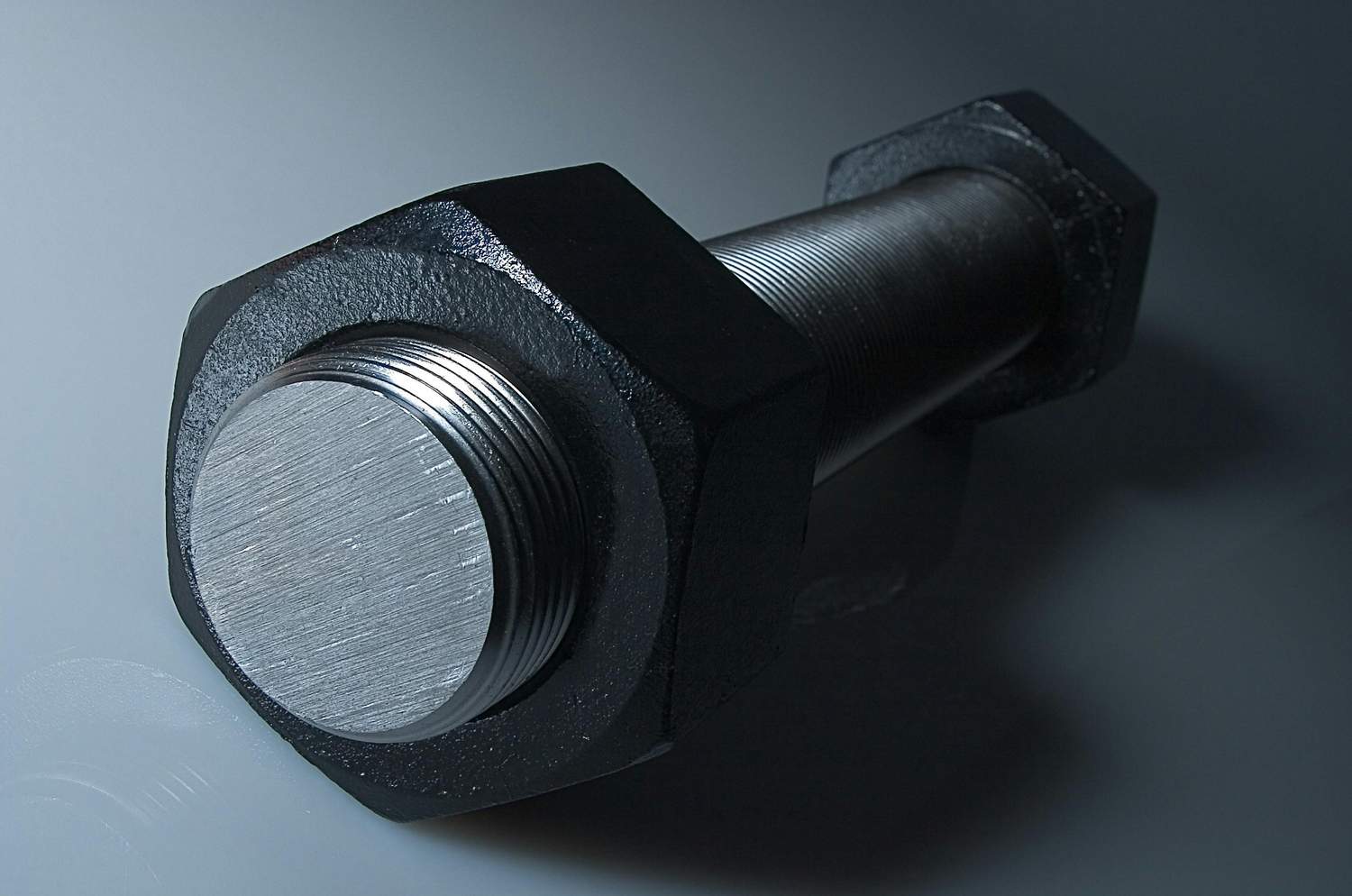
Selecting the right fastener is a critical decision in industrial projects where safety, strength, and long term performance matter. Using the wrong fastener can cause joint failure, corrosion damage, or costly downtime. Understanding how to choose the correct fastener ensures durability, compliance, and efficiency across industrial applications.
Industrial fasteners are widely used in construction, manufacturing, oil and gas, marine, automotive, and heavy engineering sectors. Each application demands specific fastener properties based on load, environment, and material compatibility. This guide explains everything you need to know to make the right choice.
Choosing the right fastener involves more than just selecting a bolt or screw that fits. Industrial environments place heavy demands on fasteners, making it essential to evaluate multiple technical and environmental factors before finalizing a choice.
From load bearing capacity to corrosion resistance and industry standards, every factor contributes to joint performance and safety. Understanding these important factors helps prevent failures, reduces maintenance costs, and ensures long term reliability in industrial applications.
Before choosing any fastener, evaluate the application in detail. Consider whether the joint is permanent or temporary and whether it will experience vibration, impact, or thermal expansion. These factors directly influence fastener type and grade.
Load requirements are equally important. High load bearing joints require high tensile fasteners with proven strength ratings. For lighter assemblies, standard bolts or screws may be sufficient without overengineering the joint.
Material selection determines strength, corrosion resistance, and service life. The most common materials include carbon steel, stainless steel, alloy steel, and non ferrous metals. Each material performs differently under industrial conditions.
Stainless steel fasteners are ideal for corrosive and outdoor environments, especially in marine, chemical, and coastal projects. For demanding applications, explore our Stainless Steel 316 Fasteners to ensure maximum corrosion resistance, durability, and long-term performance.
Carbon steel fasteners are widely used for general industrial purposes due to affordability. Brass fasteners are preferred for electrical and decorative applications due to conductivity and appearance.
Stainless steel fasteners are available in multiple grades, each suited to specific environments. SS 304 fasteners offer good corrosion resistance for indoor and mildly corrosive conditions. SS 316 fasteners provide superior resistance against chemicals, saltwater, and marine exposure.
Industries operating in coastal or chemical environments rely heavily on SS 316 due to its molybdenum content. Selecting the right stainless grade ensures long term reliability and reduced maintenance costs.
Fasteners must withstand both static and dynamic loads without failure. Tensile strength, shear strength, and yield strength should align with application requirements. Structural joints require fasteners with certified mechanical properties.
Using under rated fasteners can lead to loosening or breakage. Over specifying strength may increase cost without benefit. Always match fastener strength to actual load conditions.
Thread design affects grip, vibration resistance, and installation ease. Coarse thread fasteners are ideal for softer materials and quick assembly. Fine threads offer better load distribution and resistance to loosening under vibration.
Ensure thread compatibility with mating components to avoid stripping or galling. Correct thread pitch improves joint integrity and simplifies maintenance.
Fastener head type determines how load is distributed and how tools engage during installation. Hex bolts are widely used for structural and heavy machinery applications. Socket head fasteners work best in confined spaces.
Drive styles such as Allen, Torx, or Phillips impact torque control and installation speed. Selecting the correct drive type improves assembly efficiency and reduces tool wear.
Environmental exposure plays a major role in fastener performance. Moisture, chemicals, salt, and temperature fluctuations can degrade unsuitable fasteners quickly. Corrosion resistant materials and coatings are essential for harsh conditions.
Galvanized coatings and stainless steel materials protect fasteners from rust. In chemical industries, material compatibility prevents premature failure and contamination risks.
Fasteners must comply with recognized international standards to ensure quality and safety. DIN fasteners, ISO fasteners, and ASTM fasteners define dimensions, tolerances, and strength classes.
Using standardized fasteners ensures interchangeability and regulatory compliance. Certified fasteners also simplify inspections and quality assurance processes.
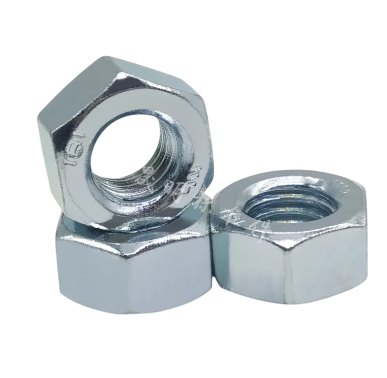
Different industries require specialized fasteners for optimal performance. Industrial bolts and nuts are used in heavy machinery and infrastructure projects. Screws are preferred for sheet metal and light assemblies.
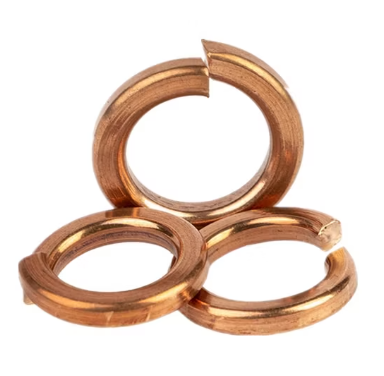
Washers improve load distribution and prevent surface damage. Stud bolts are common in flange connections and pressure vessels where strength and alignment are critical.
Proper installation is as important as fastener selection. Incorrect torque application can cause loosening or thread damage. Always follow recommended torque values based on fastener size and material.
Ease of maintenance should also be considered. Fasteners that allow easy removal and replacement reduce downtime and maintenance costs in industrial facilities.
Balancing quality with cost is essential in industrial procurement. While premium materials offer durability, they should be used only where necessary. Selecting the right fastener avoids unnecessary expenses.
Fasteners play a direct role in workplace safety. Failure in critical joints can lead to equipment damage or injury. Always choose fasteners tested and certified for safety critical applications.
Industries such as construction, oil and gas, and manufacturing require strict adherence to safety standards. Choosing compliant fasteners reduces risk and liability.
Choosing the right fastener for industrial applications depends on material, strength, load conditions, environment, and standards. Proper fastener selection improves safety, durability, performance, and long term operational reliability.
Choose a fastener based on load capacity, material compatibility, environmental exposure, and industry standards. Matching these factors ensures strength, safety, and durability.
Common fasteners include bolts, screws, nuts, washers, studs, rivets, and anchors. Each type serves specific industrial and structural applications.
The five basic fasteners are bolts, screws, nuts, washers, and rivets. These are widely used across construction and industrial assemblies.
Fastener size is determined by diameter, length, thread pitch, and head type. Measuring these accurately ensures proper fit and load performance.
Choosing the right fastener for industrial applications requires careful evaluation of load requirements, material compatibility, environmental exposure, and compliance with industry standards. A well selected fastener improves safety, structural integrity, and long term performance while reducing maintenance and failure risks.
By understanding application needs and selecting certified, high quality fasteners, businesses can ensure reliable operations across demanding industrial environments.
At Hamza Fasteners Building Materials Trading LLC, we provide durable, precision engineered fastening solutions designed to meet the highest industrial standards and deliver lasting performance you can trust.
Contact the Hamza Fasteners today to get expert guidance and the right fastening solution for your industrial needs.
Discover in-depth guides and practical insights to help you make informed decisions across industrial fastening and engineering applications.
November 14, 2024
November 28, 2024
December 14, 2024
December 28, 2024
January 17, 2025
All Rights Reserved © Hamza Fasteners