Why Rust-Resistant Split Pins Are Crucial for Marine Industries

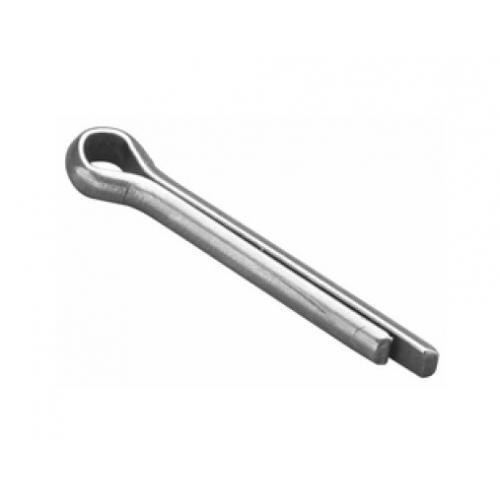
SS 316 SPLIT PIN

Marine environments present unique challenges for mechanical components, particularly in the UAE’s coastal regions where high salinity and humidity create aggressive corrosive conditions.

Split pins are vital to various mechanical assemblies aboard marine vessels and offshore structures, making their rust recruit-resistant ties essential for maintaining safety and operational integrity.

What Are Marine-Grade Split Pins?

Marine applications demand specialized split pins manufactured from corrosion-resistant materials. Stainless steel grades 304 and 316 stand out as primary choices for marine environments.

Grade 316 stainless steel split pins offer superior resistance to saltwater corrosion, while grade 304 provides excellent performance in less aggressive conditions. Available sizes ranging from 1.6mm x 12mm to 13mm x 150mm accommodate diverse marine applications.

Material Selection Impact of Split Pins on Marine Industries

Selecting appropriate materials for split pins significantly influences their performance in marine settings. Stainless steel split pins resist corrosion through their chromium oxide layer formation.

Brass variants offer another corrosion-resistant option, particularly suitable for applications requiring softer materials. Zinc-plated options provide cost-effective solutions for less demanding marine environments.

Importance of Rust-Resistant Split Pins in Marine Industries

Durability in Marine Conditions

Marine environments constantly challenge the integrity of mechanical fasteners. Split pins face exposure to salt spray, humidity, temperature fluctuations, and mechanical stress. High-quality stainless steel split pins maintain their structural integrity despite these challenging conditions, ensuring continued secure connections in critical marine applications.

Safety Implications

Marine safety relies heavily on properly secured mechanical assemblies. Split pins serve as critical safety components in various marine applications, from securing rudder pins to anchor chain connections. Rust-resistant properties ensure these safety mechanisms remain functional throughout their service life, preventing potentially hazardous equipment failures.

Installation Considerations

Proper installation of marine-grade split pins ensures optimal performance. Correct sizing proves crucial for the effective securing of assemblies. Stainless steel split pins ranging from 10mm x 130mm to 10mm x 200mm accommodate various installation requirements, providing flexibility in marine applications while maintaining corrosion resistance.

Maintenance Requirements

Regular inspection of split pins forms an essential part of marine maintenance protocols. While high-quality stainless steel variants minimize maintenance needs, periodic checks ensure continued functionality. Identifying early signs of wear or corrosion allows timely replacement, maintaining system integrity and safety.

Cost-Effectiveness Analysis

Investing in quality rust-resistant split pins proves economically advantageous in marine applications. Premium materials like grade 316 stainless steel may carry higher initial costs but deliver superior long-term value through extended service life and reduced replacement frequency. Brass and zinc-plated options offer alternative cost-effective solutions for specific applications.

Application Versatility

Marine-grade split pins serve numerous applications across various vessel types and marine structures. From small pleasure craft to large commercial vessels, these components secure critical mechanical assemblies. Understanding specific application requirements helps select appropriate sizes and materials for optimal performance.

Understanding available options and their specific advantages enables informed decisions that support reliable marine operations. Regular maintenance and quality material choices contribute to extended service life and optimal performance in demanding marine environments.

Conclusion

Rust-resistant split pins play an indispensable role in marine applications, particularly in challenging environments like UAE waters. Proper material selection, sizing, and installation ensure these crucial components maintain mechanical integrity and safety in marine operations.
Why Hex Nuts Are Vital for Strong and Secure Fastening in UAE Projects

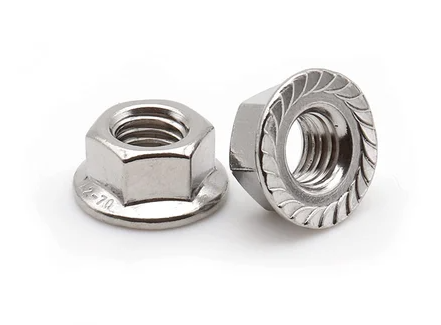
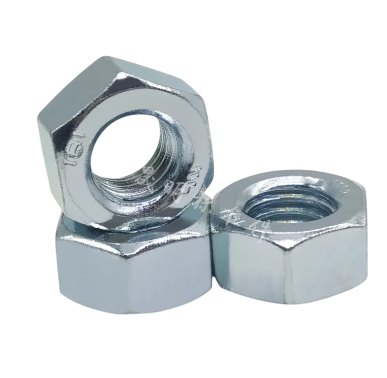
Hex Nuts

Engineering and construction in the United Arab Emirates represent pinnacles of architectural innovation and precision. At the heart of these remarkable achievements lies a seemingly small yet critically important component: the hex nut in the UAE industrial landscape.

Structural reliability begins with the most basic connections. Hex nuts in UAE construction projects serve as critical fastening elements that ensure stability, strength, and safety across various engineering applications. Their unique hexagonal shape provides engineers and constructors with multiple advantages that go beyond simple mechanical attachment.

Precision Engineering in Architectural Marvels

UAE’s skyline showcases some of the world’s most extraordinary architectural achievements. Behind these stunning structures, hex nuts in the UAE play a silent yet crucial role. The hexagonal design allows for superior grip and torque application, enabling construction professionals to create connections that withstand extreme environmental conditions.

Mechanical Advantages of Hexagonal Design

Mechanical engineers appreciate the hex nut’s geometrical perfection. The six-sided shape enables multiple wrench points, providing enhanced grip and reducing slippage during installation. In the challenging climate of the UAE, where temperatures can fluctuate dramatically, such precise engineering becomes paramount for maintaining structural integrity.

Corrosion Resistance in Challenging Environments

UAE’s coastal and desert environments present unique challenges for construction materials. Hex nuts in the UAE are typically manufactured using high-grade stainless steel or specialized alloys that resist corrosion. These materials ensure longevity and performance even under harsh sunlight, high salinity, and extreme temperature variations.

Versatility Across Multiple Industries

Beyond construction, hex nuts in UAE find applications across diverse sectors. From automotive manufacturing to renewable energy projects, aerospace engineering to infrastructure development, these small components play pivotal roles in connecting critical systems and ensuring operational reliability.

Precision Manufacturing Standards

Quality manufacturing defines the UAE’s industrial approach. Hex nuts produced in the region adhere to stringent international standards, ensuring consistent dimensions, thread accuracy, and mechanical properties. Manufacturers invest heavily in advanced production technologies that guarantee exceptional product performance.

Economic and Safety Implications

Selecting the right fastener goes beyond technical specifications. For the UAE’s ambitious projects, hex nuts represent a crucial investment in safety and long-term structural reliability. A minor compromise in fastening quality could lead to significant risks and potential catastrophic failures.

Sustainability and Material Innovation

Modern hex nut in UAE increasingly focuses on sustainable manufacturing processes. Advanced metallurgical techniques reduce material waste, improve energy efficiency, and create products with reduced environmental impact. Engineers now consider not just performance but also ecological considerations.

Technological Advancements in Fastener Design

Emerging technologies are transforming hex nut manufacturing. Nanotechnology and advanced surface treatments enhance corrosion resistance, reduce friction, and improve overall performance. UAE’s commitment to technological innovation drives continuous improvements in fastener design and production.

Conclusion: A Testament to Engineering Brilliance

Hex nuts in the UAE symbolize more than mechanical connections. They represent engineering excellence, technological innovation, and a commitment to creating structures that inspire and endure. From towering skyscrapers to intricate industrial machinery, these small components ensure that ambitious dreams transform into tangible realities.

How to Select the Best Bolt and Nut Material for High-Stress Environments

Galvanized Bolts and Nuts

In the world of construction and engineering, small things matter a lot. Bolts and nuts might seem simple, but they play a crucial role in many projects. This is especially true in high-stress environments.

In the UAE, where we build big and bold, choosing the right bolt and nut materials is vital. This blog will guide you through the process of selecting the best materials for these important fasteners.

Before we dive into materials, let’s talk about what we mean by “high stress.” In the UAE, we face some unique challenges.

We have extreme heat, salty air near the coast, and sometimes harsh chemicals in industrial settings. High stress for bolts and nuts can mean:

  • Very high or low temperatures
  • Exposure to corrosive substances
  • Heavy loads or constant vibration
  • Risk of sudden impact or shock

These conditions can wear down or damage bolts and nuts quickly if they are not made of the right stuff.

Common Bolt and Nut Materials

There are several materials used for bolts and nuts. Each has its strengths and weaknesses. Let’s look at some common options:

  • Steel: This is the most common material, and it’s strong and relatively cheap, but not all steel is the same. There are various kinds and grades.
  • Stainless Steel: This is steel with added chromium, and it resists rust and corrosion well. It’s a popular choice in many industries.
  • Alloy Steel: These are steels with other metals added. They can be very strong and resist heat well.
  • Titanium: This is lightweight but very strong. It’s also corrosion-resistant but expensive.
  • Brass: This is good for electrical applications, and it doesn’t create sparks and resist corrosion.
  • Aluminum: It’s lightweight and resists corrosion, but it’s not as strong as steel.

Factors to Consider When Choosing Materials

When picking bolt and nut materials for high-stress jobs, think about these things:

  • Strength: How much load will the bolts and nuts need to hold? Different materials have different strength levels.
  • Corrosion Resistance: Will the fasteners be exposed to water, salt, or chemicals? Some materials resist corrosion better than others.
  • Temperature Range: What temperatures will the bolts and nuts face? Some materials weaken in extreme heat or cold.
  • Weight: In some applications, the weight of the fasteners matters. Lighter materials might be preferred.
  • Cost: The cost of certain materials varies greatly from that of others. Balance performance needs with budget constraints.
  • Magnetic Properties: In some settings, you might need non-magnetic fasteners. This can limit your material choices.
  • Electrical Conductivity: For electrical applications, you need to consider how well the material conducts electricity.

Matching Bolt and Nut Materials

It’s important to use the same material for both the bolt and the nut. Mixing materials can lead to problems like galvanic corrosion. This happens when two different metals react with each other, especially in the presence of an electrolyte like saltwater.

Conclusion

It is critical to select the proper bolt and nut material for high-stress situations. It’s not just about picking the strongest or most expensive option. You need to consider many factors, so think about the specific stresses in your environment and look at strength, corrosion resistance, temperature range, and cost.

How to Determine the Right Size of Spring Washers

determine-the-right-size-of-spring-washers

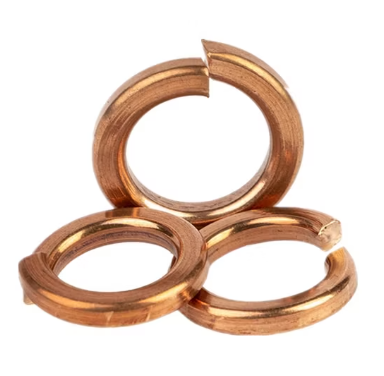
Selecting the right spring washer size is essential for maintaining bolt tension and ensuring proper load handling in industrial, automotive, and mechanical applications. Using the wrong size can cause bolts to loosen, washers to deform, or components to misalign.

This guide covers everything you need to know about spring washer sizing, types, installation tips, and load considerations.

How to Measure the Right Size of Spring Washers

Accurate measurement is the first step in spring washer sizing. The main dimensions to check are:

  • Inner Diameter (ID): Must match your bolt diameter for a correct spring washer fit.

  • Outer Diameter (OD): Determines the washer surface area for proper load distribution.

  • Thickness: Affects bolt tension and washer flexibility.

Always use precise tools for bolt diameter measurement and consider both static and dynamic loads to avoid selecting the wrong washer.

Guide to Choosing Spring Washer Sizes for Bolts

When choosing a washer, it’s important to consider:

  • Bolt Size: Inner diameter should match the bolt to ensure proper tension.

  • Load Requirements: Heavier loads require heavy-duty spring washers with higher load capacity.

  • Installation Space: Check spring washer installation space and mechanical assembly clearance to avoid interference.

Expert tip: Use a washer dimension guide or spring washer size chart for accurate selection.

What is the Correct Spring Washer Size for Different Bolts

Different bolts require washers of corresponding sizes:

  • M6 bolt: 6mm inner diameter washer

  • M8 bolt: 8mm inner diameter washer

  • M12 bolt: 12mm inner diameter washer

Matching the size ensures proper load handling and optimal bolt tension, reducing maintenance issues.

Step-by-Step Guide to Spring Washer Sizing

Follow these steps for precise spring washer selection:

  1. Measure your bolt accurately using proper tools.

  2. Check load requirements: heavy machinery needs thicker washers for higher tension.

  3. Verify installation space to ensure washers can flex.

  4. Select the right washer type: choose from Belleville washers, wave washers, or curved spring washers based on application.

  5. Compare with standard spring washer sizes for cost-effective washers and easier replacements.

This process ensures your industrial spring washers perform reliably under mechanical stress.

Why Selecting the Right Spring Washer Size is Important

Using the wrong washer size can cause:

  • Bolts loosening due to insufficient tension

  • Washer deformation under heavy-duty load capacity

  • Interference with surrounding components

Proper selection improves mechanical fasteners performance, prevents wear, and maintains assembly integrity.

Spring Washer Size Chart Explained

A spring washer size chart is a handy reference:

Bolt Size Inner Diameter Outer Diameter Recommended Type
M6 6mm 12mm Wave Washer
M8 8mm 16mm Belleville Washer
M10 10mm 20mm Curved Washer

This ensures spring washer selection matches both industrial and mechanical applications, improving load handling and bolt tension.

Differences Between Spring Washer Sizes and Types

Types of spring washers and their ideal applications:

  • Belleville washers: Best for heavy-duty applications

  • Wave washers: Suitable for lighter loads and vibration control

  • Curved washers: Medium loads with flexible application

Choosing the right type and size combination improves mechanical reliability and ensures proper load distribution.

How to Calculate Spring Washer Dimensions for Machinery

To determine the correct dimensions:

  1. Measure the bolt diameter carefully.

  2. Decide the outer diameter needed for proper load distribution.

  3. Select the thickness based on washer tension optimization.

Accurate calculation ensures your industrial spring washers maintain bolt tension and long-term performance.

Common Mistakes When Choosing Spring Washer Sizes

Avoid these errors:

  • Using washers too large or too small

  • Ignoring load requirements for heavy-duty spring washers

  • Overlooking spring washer installation space or mechanical assembly clearance

  • Selecting the wrong washer type for the application

Following proper practices ensures reliable mechanical fasteners performance.

Best Spring Washers for Industrial Applications

When buying, consider:

  • Top-rated spring washers for machinery in UAE

  • Buy high-quality spring washers by size guide

  • Order spring washers of specific sizes online

  • Custom-sized spring washers for machinery needs

  • Where to find durable spring washers in specific sizes

These options ensure assemblies maintain proper bolt tension and load handling.

Installation Tips for Spring Washers

Proper installation improves performance:

  • Ensure enough space for washer flex

  • Avoid over-compression

  • Account for working height (compressed vs. uncompressed)

  • Place washers correctly to maintain bolt tension

Following these tips maximizes mechanical reliability in all applications.

AI Overview

Learn how to choose the correct spring washer size for bolts and machinery. Expert tips on load handling, washer types, tension, and installation for reliable mechanical performance.

FAQs

Can I use a larger washer than the bolt?

No. Oversized washers reduce tension and can interfere with components. Always use the correct inner diameter.

How do I determine the right washer thickness?

Thickness depends on load requirements and available space. Heavier loads require thicker industrial spring washers.

Are there standard spring washer sizes?

Yes. Sizes range from M2 to M24, making replacements cost-effective washers.

Which type is best for heavy machinery?

Belleville washers are ideal for high-load applications.

How do I install spring washers correctly?

Ensure enough mechanical assembly clearance, allow flex, and avoid over-compression.

Conclusion

Choosing the right spring washer size ensures optimal bolt tension, enhances load handling, and prevents mechanical failures. Proper sizing and installation of industrial spring washers extend the life of your equipment and improve assembly reliability.

Upgrade your machinery with the perfect spring washer fit today. Order high-quality spring washers online or consult our expert sizing guide to get started.

Expert Insights & Industrial Fasteners Guides

How to Measure the Size of a Blind Flange

blind flange

Getting the right measurements for a blind flange is crucial for proper installation and system performance. Whether you’re replacing an existing component or installing a new one, knowing how to measure a blind flange correctly can save time and prevent costly mistakes.

Before starting the measurement process, gather these necessary tools:

  • A sturdy tape measure or steel rule
  • A caliper (digital or vernier)
  • A flange thickness gauge
  • A clean cloth for wiping the flange surface
  • A notepad to record measurements

The main dimensions of a blind flange include the outside diameter, thickness, bolt hole count, and bolt hole size. These measurements work together to ensure proper fitting and sealing. A blind flange needs to match exactly with its mating flange to create an effective seal and prevent leaks.

The outside diameter is one of the most important measurements of a blind flange. Start by cleaning the flange surface to remove any dirt or debris. Place your measuring tool across the widest part of the blind flange, making sure to measure from edge to edge.

Take multiple measurements at different points around the flange to ensure consistency. This step is crucial because even small variations in the outside diameter can affect how well the blind flange fits.

Determining Flange Thickness of a Blind Flange

Measuring the thickness of a blind flange requires careful attention to detail. Use your caliper to measure from the raised face (if present) to the back of the flange. If the blind flange has a raised face, measure both the overall thickness and the height of the raised face separately.

These measurements help ensure proper bolt length selection and gasket compression.

Bolt Hole Pattern Measurements of a Blind Flange

To measure the bolt hole pattern of a blind flange, follow these key steps:

  • Count the total number of bolt holes
  • Measure the diameter of each bolt hole
  • Calculate the bolt circle diameter by measuring from the center of one bolt hole to the center of the opposite hole
  • Check that bolt holes are evenly spaced around the circumference

Blind Flange

After taking all measurements of the blind flange, it’s important to verify them. Take each measurement at least twice to confirm accuracy. Pay special attention to the outside diameter and bolt hole pattern, as these dimensions are critical for proper alignment. Remember that even small measurement errors can lead to installation problems.

When measuring a blind flange, avoid rushing through the process. Some people make the mistake of measuring only one bolt hole and assuming all others are the same size. Another common error is not accounting for the raised face when measuring thickness. Take time to clean the flange surface properly before measuring, as built-up debris can affect accuracy.

By following these measurement guidelines, you can ensure that your blind flange specifications are accurate and complete. Taking proper measurements helps avoid installation problems and ensures that your piping system maintains its integrity. Remember that accurate measurements of a blind flange are essential for both safety and functionality in any piping system.