


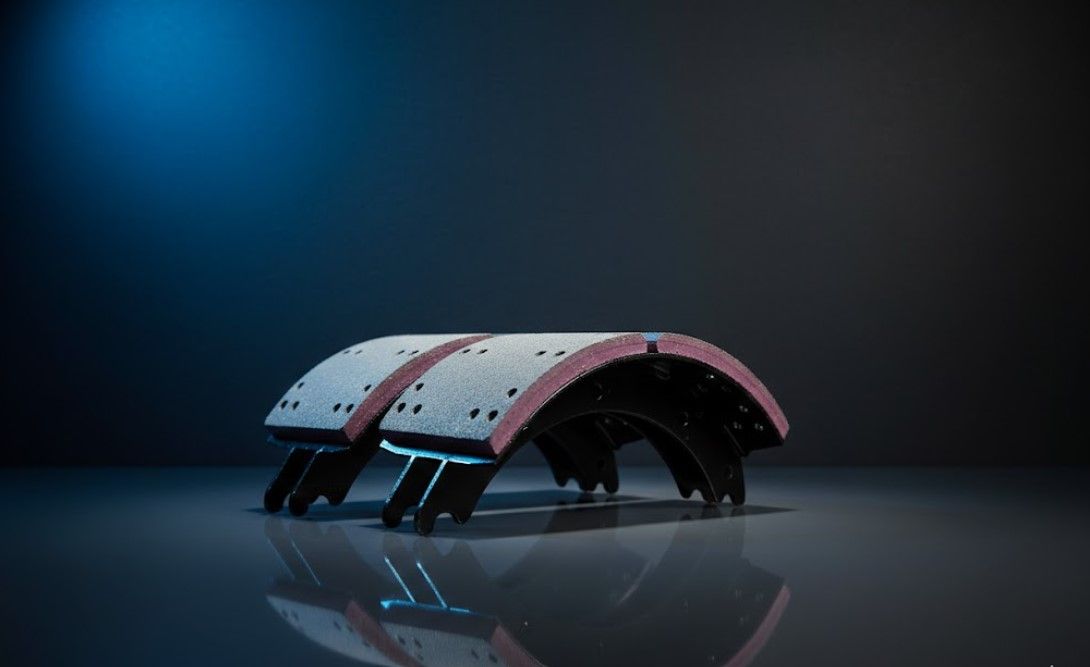
Brake linings are essential components of braking systems, designed to create friction against brake drums or discs to slow or stop vehicles. They are widely used in cars, trucks, motorcycles, industrial machines, and rail vehicles.
Understanding the types, materials, and applications of brake linings is critical for vehicle safety, performance, and longevity.
Brake lining is the friction material attached to a brake shoe or pad that presses against the drum or disc to generate braking force. It converts kinetic energy into thermal energy, slowing down the vehicle efficiently.
Modern brake linings are engineered for durability, heat resistance, and minimal wear while complying with automotive safety standards like ISO, SAE, and ECE R90.
High-quality brake linings from certified suppliers offer warranty coverage, technical support, and installation guidance, ensuring reliability in both passenger and commercial vehicles.
Brake linings are critical for:
Neglecting brake lining maintenance can result in uneven wear, reduced braking efficiency, and potential mechanical failure.
Non-Asbestos Brake Linings are made from fibers such as glass, rubber, resins, and high-temperature fillers. They are environmentally friendly, produce low noise, and are commonly used in standard passenger vehicles. While durable for everyday driving, they wear faster under heavy loads compared to metallic options.
Semi-Metallic Brake Linings contain metals like copper, steel, or iron blended with friction modifiers. They provide superior heat resistance, excellent durability, and consistent braking performance under heavy load, making them ideal for trucks, commercial vehicles, and performance cars.
Ceramic Brake Linings are composed of ceramic fibers, bonding agents, and filler materials. They offer quiet operation, minimal dust, and stable friction, making them suitable for passenger cars, luxury vehicles, and high-performance applications.
Low-Metallic NAO Brake Linings combine organic compounds with a small amount of metal to enhance heat transfer. They provide improved braking response while maintaining moderate noise levels, suitable for mid-range vehicles and everyday driving conditions.
Brake linings are made from materials engineered to withstand friction, heat, and wear. Common materials include:
Selecting the right material depends on vehicle type, load, operating conditions, and environmental compliance.
Brake linings are used in a variety of vehicles and industrial equipment:
High-quality brake linings ensure consistent performance across different conditions and extend the service life of braking systems.
For consistent quality and safety, sourcing from trusted brake lining suppliers in UAE ensures certified products and professional support.
Brake lining material is the friction substance bonded to brake shoes or pads that slows or stops vehicles. It is engineered for heat resistance and durability.
Brake lines are usually made from steel, copper-nickel, or flexible synthetic materials. They carry hydraulic brake fluid from the master cylinder to the brakes.
The four common types are non-asbestos organic (NAO), semi-metallic, ceramic, and low-metallic NAO brake pads. Each type is designed for different performance and load requirements.
Brake lining provides friction against drums or discs to stop or slow vehicles. It ensures safe, consistent braking and protects braking components from wear.
Brake linings are a critical component of vehicle safety, directly affecting braking performance, durability, and reliability. Choosing the right type, material, and supplier ensures efficient, long-lasting braking across passenger vehicles, commercial fleets, and industrial machinery.
For residents and businesses in UAE, Hamza Fasteners Building Materials Trading specializes in supplying high-quality brake linings and related components with certified materials, technical support, and expert guidance.
Contact our brake lining specialists to ensure optimal safety and performance for your vehicles.
Discover in-depth guides and practical insights to help you make informed decisions across industrial fastening and engineering applications.
November 14, 2024
November 28, 2024
December 14, 2024
December 28, 2024
January 17, 2025
All Rights Reserved © Hamza Fasteners