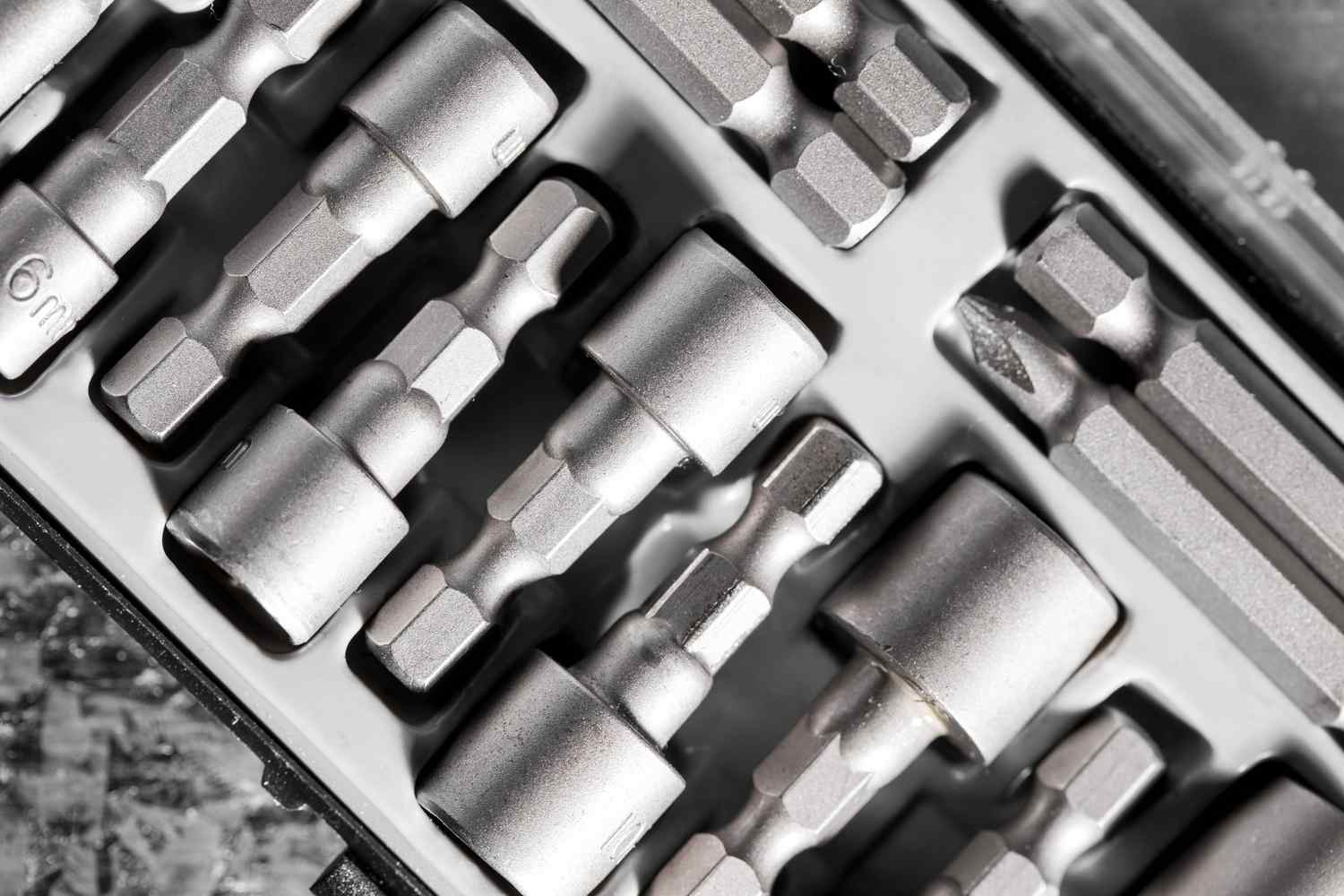
What Are Mild Steel MS Fasteners? Properties, Grades and Uses

mild-steel-ms-fasteners-properties-grades-and-uses

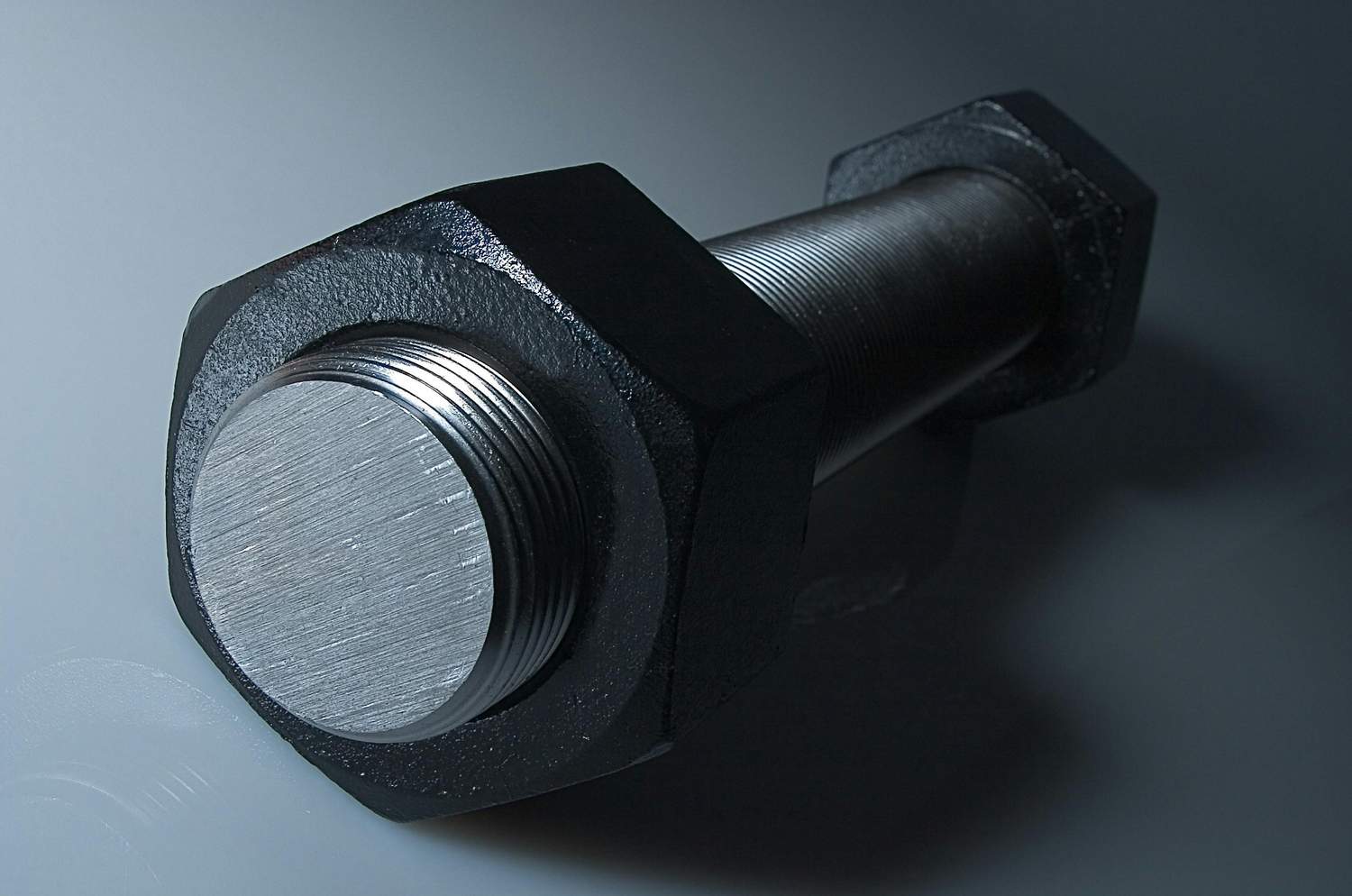
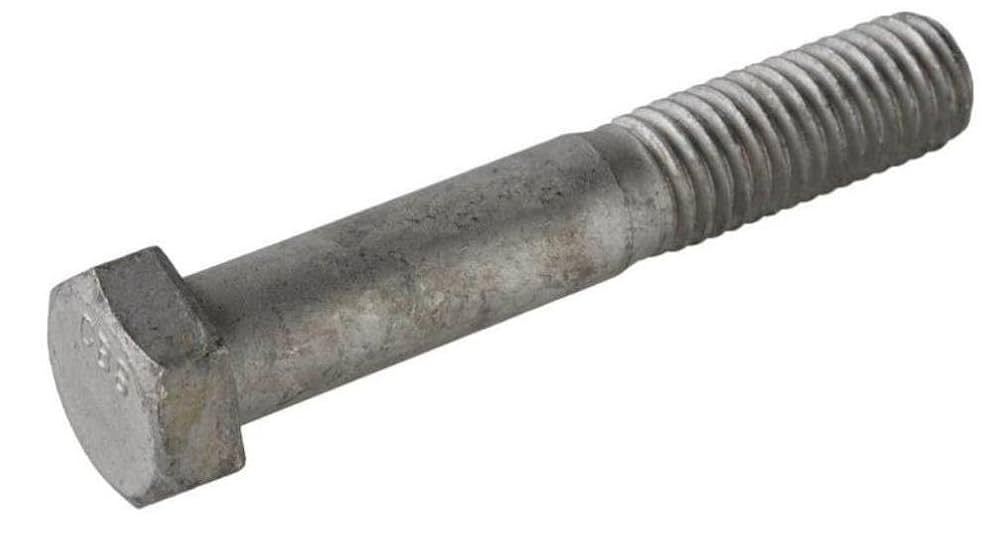
Mild steel fasteners, often referred to as MS fasteners, are essential components in industrial, construction, and mechanical applications. These fasteners, made from low carbon steel, combine affordability with strength and versatility.

Understanding their properties, grades, and applications is crucial for buyers and engineers selecting the right fasteners for their projects.

What Is Mild Steel and Why It Matters for Fasteners

Mild steel is a type of carbon steel with a carbon content between 0.05% and 0.25%. This low carbon composition gives it excellent ductility, weldability, and machinability. MS fasteners made from mild steel offer the perfect balance of strength and cost efficiency.

Key Features of Mild Steel Fasteners

  • Good tensile strength and load-bearing capacity
  • Corrosion resistance when coated or plated
  • Easy to machine, drill, and form
  • Economical compared to alloy or stainless steel fasteners

Common Grades of Mild Steel Fasteners

Mild steel fasteners are classified based on their mechanical properties, tensile strength, and surface treatment. Common grades include:

Grade Tensile Strength Typical Applications
4.6 400 MPa Light machinery, furniture
4.8 420 MPa Structural joints, automotive parts
5.6 500 MPa Industrial frameworks, pipeline supports
8.8 800 MPa Heavy-duty machinery, construction bolts

Selecting the correct grade ensures safety, longevity, and performance under load.

Types of Mild Steel Fasteners

MS fasteners come in various forms to meet diverse industrial needs. Understanding the product types helps buyers choose the right solution for their application.

Bolts and Screws

Bolts are used in conjunction with nuts to secure materials, while screws are typically self-threading. Mild steel bolts and screws are ideal for general-purpose fastening where high corrosion resistance is not critical.

Nuts and Washers

Nuts complement bolts for secure fastening. Washers distribute load and prevent damage to surfaces. Mild steel nuts and washers are often zinc-plated for additional protection. High-quality mild steel nuts combined with appropriate washers ensure durability and consistent performance in structural applications.

Specialized Fasteners

Other MS fasteners include rivets, studs, pins, and threaded rods. These components are widely used in construction, automotive, and industrial assembly lines.

Properties of Mild Steel Fasteners

The performance of mild steel fasteners depends on their physical and mechanical properties. Key properties include:

  • Tensile Strength: Mild steel offers moderate tensile strength suitable for most light and medium-duty applications.
  • Hardness: Adequate hardness for everyday industrial and domestic applications.
  • Ductility: Allows easy shaping, bending, and forming during assembly.
  • Corrosion Resistance: Naturally prone to rust; surface treatments such as galvanization or zinc plating improve longevity.

Surface Finishes and Coatings

To enhance durability and resistance to environmental factors, mild steel fasteners often feature surface treatments:

Coating Type Benefits
Zinc Plating Corrosion resistance, economical
Black Oxide Mild rust protection, aesthetic finish
Hot-Dip Galvanization Maximum protection for outdoor applications
Phosphate Coating Lubrication and rust prevention

Choosing the right finish ensures the fasteners perform reliably under specific environmental conditions.

Uses of Mild Steel Fasteners

MS fasteners are versatile and used across multiple industries. Common applications include:

Construction

Bolts, nuts, and washers are commonly used for steel frameworks, scaffolding, and structural assemblies in buildings and industrial setups. Selecting suitable mild steel fasteners guarantees mechanical integrity and reliability in construction projects.

Automotive

Mild steel fasteners are widely used for engine mounts, chassis components, and vehicle body assembly due to their strength and cost-effectiveness. Mild steel screws provide secure fastening that withstands vibration and heavy loads.

Machinery

Equipment assembly, conveyor systems, and light machinery rely on MS fasteners for secure and durable joints. Mild steel bolts and screws are often chosen for mechanical systems to ensure safe, stable connections.

Home and DIY Projects

Furniture, appliances, shelving units, and other home projects use mild steel fasteners for reliable and easy-to-install connections.

Selecting the correct grade, type, and coating is essential for safe and durable assemblies.

How to Evaluate and Choose Mild Steel Fasteners

When selecting MS fasteners, consider these key buyer criteria:

  1. Load Requirements: Match tensile strength and grade with the expected mechanical load.
  2. Environmental Conditions: Choose surface coating based on exposure to moisture, chemicals, or outdoor conditions.
  3. Compatibility: Ensure thread type, size, and form fit your application.
  4. Supplier Support: Opt for suppliers providing technical guidance, warranty coverage, and local availability.
  5. Quality Assurance: Check compliance with standards like IS, DIN, or ASTM for mechanical and chemical properties.

FAQs

What are mild steel fasteners used for?

Mild steel fasteners are used in construction, machinery, automotive, and home projects for secure and cost-effective joining of components.

How strong are mild steel fasteners?

Their tensile strength ranges from 400 to 800 MPa depending on the grade, making them suitable for light to medium-duty applications.

Do mild steel fasteners rust?

Yes, untreated mild steel can rust over time; zinc plating or galvanization protects them from corrosion.

How do I select the right grade of MS fastener?

Choose the grade based on load requirements, application environment, and compatibility with other components for safe performance.

Conclusion

Mild steel fasteners offer an ideal balance of strength, versatility, and cost-efficiency, making them suitable for construction, automotive, machinery, and home projects. Understanding their grades, mechanical properties, and surface coatings ensures safe and durable assemblies. Selecting the right bolts, screws, and nuts enhances performance, prevents failure, and supports long-term reliability.

At Hamza Fasteners Building Materials Trading LLC, we specialize in supplying high-quality mild steel MS fasteners tailored to their properties, grades, and specific applications. Our range includes bolts, nuts, washers, and specialty fasteners, all compliant with ISO and ASTM standards.

Contact our fastener experts today for professional guidance in selecting the right fasteners for your project.

Explore More Expert Guides

Discover in-depth guides and practical insights to help you make informed decisions across industrial fastening and engineering applications.

Non Asbestos Brake Lining For Heavy Duty Brakes

non-asbestos-brake-lining-for-heavy-duty-brakes

Delivering reliable braking performance is essential for commercial fleets, logistics companies, and owner‑operators who demand safety, longevity, and compliance.

In this comprehensive guide, we explore Non Asbestos Brake Lining technology for Heavy Duty Truck Brakes, share real‑world insights, and provide actionable advice to help you choose the right brake lining for your vehicles.

Why Non Asbestos Brake Lining Matters in Heavy Duty Truck Applications

When we talk about truck brake performance, the lining material plays a pivotal role in safety and efficiency. Traditional brake linings used asbestos fibers due to excellent heat resistance and friction characteristics. However, due to serious health hazards associated with asbestos exposure, the trucking and automotive industries globally transitioned to Non Asbestos Brake Lining systems.

Today, high‑performance linings incorporate advanced materials such as aramid fibers, ceramic blends, and metallic compounds to provide equivalent or superior performance. These linings are engineered to maintain stable friction, reduce wear, and ensure braking consistency during long hauls.

Understanding Brake Lining Technology

Before diving deeper, it is crucial to understand the anatomy of truck brake linings. A brake lining attaches to the brake shoe and generates friction against the drum or rotor surface to slow the vehicle. The efficiency of this friction process determines stopping distance, heat dissipation, and lining wear rate.

Heavy duty truck brake applications include:

  • Long‑haul freight trucks
  • Dump trucks
  • Cement mixers
  • Buses and coaches

Each application has unique braking demands, which makes material selection critical. For specialized marine or heavy‑duty vehicles, Fleet operators in Dubai rely on premium brake liners to maintain safe and reliable braking across heavy-duty trucks.

What Differentiates Non Asbestos Brake Lining

Non Asbestos Brake Lining technology focuses on replacing hazardous fibers with safer alternatives while sustaining friction performance. Advanced compounds offer stable friction coefficients across speed and temperature variations, enabling:

  • Consistent stopping power under heavy loads
  • Lower fade under repeated braking
  • Improved durability in demanding environments

Materials such as aramid fibers and semi‑metallic blends help improve heat tolerance and reduce noise during operation. These composite formulations reflect decades of research and development in friction materials.

Key Benefits of Non Asbestos Brake Lining for Heavy Duty Trucks

Enhanced Safety and Health Standards

The most immediate benefit of Non Asbestos Brake Lining is safety. Asbestos was recognized as a carcinogen, leading regulatory bodies to mandate its removal from brake products in many parts of the world. Modern linings protect mechanics and drivers from hazardous dust exposure.

Optimized Friction for Heavy Loads

Heavy trucks carry significant mass, so braking systems must provide reliable friction even when the vehicle is fully loaded. High‑quality non asbestos linings deliver:

  • Predictable stopping performance
  • Low fade during repeated braking
  • Smooth engagement that reduces shock to suspension components

This results in better control, particularly in downhill or congested traffic scenarios on highways. For fleet operators in the UAE looking for reliable and high-performance solutions, sourcing premium brake liners in Dubai ensures durability, consistent performance, and compliance with international safety standards.

Extended Service Life

In practice, fleets that switch to premium non asbestos brake lining often see longer intervals between brake service events. Field data from fleet maintenance teams shows improvements in lining life up to 25 percent compared to older formulations. Longer service life means lower maintenance costs and reduced downtime.

Improved Heat Management

Heavy duty trucks generate immense heat during braking, particularly in mountainous terrain or urban stop‑and‑go conditions. Advanced linings dissipate heat more efficiently, reducing glazing and prolonging drum and rotor life.

Selecting the Right Brake Lining for Your Fleet

Choosing the right brake lining is more than a checklist exercise. It requires evaluating operational conditions, truck type, and maintenance goals. Here are essential criteria:

Match Lining to Duty Cycle

A heavy haul truck operating interstate will demand different performance than an urban cement mixer. Consider how the truck is used, typical load weights, and terrain.

Evaluate Material Formulation

Look for linings that specify:

  • High COF stability
  • Enhanced heat resistance
  • Low abrasion tendencies

Premium linings should specify high COF stability, enhanced heat resistance, and low abrasion tendencies. Choosing the right non asbestos brake lining ensures consistent braking performance, safety, and compliance with modern regulations.

Field Testing and Validation

Many fleet managers run test programs before committing to a new brake lining supplier. Testing across several thousand kilometers under real load conditions provides practical insight into wear rates and heat management.

Installation and Maintenance Best Practices

Even the best brake lining will not perform well if installed or maintained incorrectly. Follow these tips:

Ensure Proper Break‑In

After installing new linings, perform a controlled break‑in process. Progressive braking helps seat the lining to the drum and stabilizes performance.

Monitor Drum Condition

A worn or damaged drum can compromise brake efficiency. Regularly inspect drums for scoring, cracks, and out‑of‑round conditions.

Clean and Adjust Brake Assembly

Remove dust and debris during servicing. Ensure hardware is properly adjusted so the lining engages smoothly.

Common Misconceptions About Non Asbestos Brake Linings

Some operators still believe non asbestos linings cannot match the performance of older asbestos products. This is no longer accurate. Modern formulations have evolved through extensive testing and real‑world use. High quality non asbestos products regularly outperform older materials in terms of longevity, heat management, and environmental safety.

AI Overview

Discover how Non Asbestos Brake Lining for Heavy Duty Truck Brakes ensures safety, durability, and optimal performance, helping fleets reduce maintenance and improve braking efficiency.

FAQs

What type of brake lining is typically used on heavy-duty vehicles?

Heavy-duty vehicles use Non Asbestos Brake Lining with aramid, ceramic, or semi-metallic fibers. These linings provide stable friction under heavy loads.

What is the difference between asbestos and non-asbestos brake lining?

Asbestos linings contain harmful fibers, while non-asbestos linings use safer materials like aramid or ceramic. Non-asbestos linings deliver equal or better performance safely.

What is the best material for brake lining?

High-quality linings use aramid fibers, ceramic, or semi-metallic compounds for optimal friction and durability. These materials ensure consistent braking performance reliably.

What is a non-asbestos brake pad?

A non-asbestos brake pad is made without asbestos, using safer alternatives for braking effectively. It provides high performance and long life.

Conclusion

Choosing the right Non Asbestos Brake Lining for Heavy Duty Truck Brakes is critical for safety, durability, and consistent braking performance. Proper selection reduces maintenance costs, extends service life, and ensures reliable operation under heavy loads.

Ready to Take Your Fleet to Safer Braking Performance?

At Hamza Fasteners Building Materials Trading LLC, we provide premium non-asbestos brake linings for heavy-duty trucks, helping fleets maintain safety, efficiency, and compliance with international standards.

Contact our experts today for professional guidance in selecting the perfect brake lining for your vehicles.

Explore More Expert Guides

Discover in-depth guides and practical insights to help you make informed decisions across industrial fastening and engineering applications.

Fastener Grades Explained: ISO, DIN & ASTM Standards

fastener-grades-iso-din-astm-standards

In the construction, automotive, and industrial sectors, selecting the right fastener grade is critical to ensure safety, durability, and performance. Fasteners play a fundamental role in holding structures together, and using the wrong grade can result in catastrophic failures or costly downtime.

Understanding the most widely recognized ISO, DIN, and ASTM standards allows engineers, contractors, and procurement specialists to make informed choices.

In this guide, we explore fastener grades, their international standards, and practical applications based on real-world experience. By the end, you will have a clear roadmap for selecting the ideal bolts, screws, and nuts for any project.

Understanding Fastener Grades

Fastener grades indicate the mechanical properties, material composition, and performance limits of bolts, screws, and nuts. These grades ensure reliability under stress, temperature, and environmental conditions.

Grades are determined by tensile strength, yield strength, and chemical composition. For instance, a Grade 8.8 bolt in ISO standards means it has a tensile strength of 800 MPa and yield strength of 640 MPa.

Selecting the wrong grade can compromise joint integrity, especially in critical applications like bridges, machinery, and pressure vessels. Using certified DIN, ISO, or ASTM fasteners ensures compliance with industry requirements and reduces the risk of failures.

ISO Fastener Grades

The International Organization for Standardization (ISO) defines globally recognized fastener specifications. ISO focuses on metric fasteners with clear classification based on mechanical properties.

Key ISO Grades

  • ISO 898-1: Covers mechanical properties of bolts, screws, and studs. For example, Grade 10.9 is suitable for high-strength automotive and structural applications.
  • ISO 3506: Pertains to stainless steel fasteners, offering corrosion resistance for marine and chemical industries.
  • ISO 4762: Defines specifications for hexagon socket head screws used in machinery assembly.

ISO standards are widely adopted globally, ensuring interchangeability and quality assurance. In industrial projects, engineers often prefer ISO fasteners for their uniformity and reliability across suppliers.

Practical Example: A manufacturing plant installing stainless steel bolts in corrosive environments relies on ISO 3506 to guarantee long-term performance without rusting or material fatigue. Explore our range of SS Fasteners for durable and corrosion-resistant solutions.

DIN Fastener Grades

DIN standards originate from Germany and are known for their precision and strict engineering specifications. Many DIN grades have influenced modern ISO standards but remain relevant in Europe and industries requiring high accuracy.

Popular DIN Grades

  • DIN 931 / DIN 933: Standard hex bolts widely used in construction.
  • DIN 912: Socket head cap screws for machinery requiring tight tolerances.
  • DIN 125 / DIN 127: Washers that maintain joint integrity under vibration.

DIN fasteners often provide detailed material information, including carbon content and hardness levels. Using DIN-certified fasteners ensures compatibility with machinery and structures that require precision engineering.

Practical Example: European automotive manufacturers routinely use DIN 912 socket screws in engine assemblies to meet stringent performance standards.

ASTM Fastener Grades

The American Society for Testing and Materials (ASTM) defines fastener grades primarily for the U.S. market. ASTM standards are valued for specifying both material composition and mechanical performance, often with emphasis on structural integrity under extreme conditions.

Common ASTM Grades

  • ASTM A325: Structural bolts for bridges and buildings.
  • ASTM A193: High-temperature and high-pressure applications, ideal for oil and gas equipment.
  • ASTM F568M: Metric fasteners covering tensile and yield strengths, often used in heavy machinery.

ASTM standards are critical in industries where rigorous testing and certification are mandatory. Using ASTM fasteners provides assurance that mechanical properties meet project specifications and safety requirements.

Practical Example: Pipeline construction projects utilize ASTM A193 bolts to withstand extreme temperatures and pressures, ensuring long-term reliability.

Choosing the Right Fastener Grade

Selecting the correct fastener grade involves evaluating:

  1. Project location and standards: ISO is preferred globally, DIN in Europe, and ASTM in the U.S.
  2. Mechanical requirements: Tensile and yield strength must match load demands.
  3. Environmental conditions: Corrosion-resistant stainless steel fasteners are ideal for marine or chemical applications.
  4. Thread compatibility: Metric vs inch threads must match equipment specifications.

When in doubt, consult certified fastener suppliers in UAE, who can guide you through grade selection, ensuring compliance and longevity.

Benefits of Using Standardized Fastener Grades

  • Enhanced safety: Reduces the risk of mechanical failures in critical applications.
  • Consistent quality: Certified fasteners maintain uniform performance.
  • Global compatibility: Standardized grades ensure parts are interchangeable worldwide.
  • Cost savings: Avoids downtime and replacement costs caused by substandard fasteners.

Practical Tip: Always request mill test certificates or grade certification from suppliers to verify compliance. For projects requiring extra protection against corrosion, check out our Galvanized Fasteners to ensure longevity and reliability in industrial applications.

AI Overview

This blog explains ISO, DIN, and ASTM fastener grades, helping engineers and buyers select the right bolts, screws, and nuts for safe, durable, and compliant industrial applications.

FAQs

What are the ASTM and DIN standards?

ASTM and DIN standards define the material, strength, and performance requirements of fasteners for safe and reliable industrial use. They ensure consistency, quality, and compatibility across different applications and regions.

What are ISO standards for fasteners?

ISO standards provide global specifications for metric fasteners, covering mechanical properties, dimensions, and material quality. They ensure uniformity, reliability, and interchangeability in international projects.

What are the different grades of fasteners?

Fastener grades indicate tensile strength, yield strength, and material type to match specific load and environmental requirements. Common grades include ISO 8.8, 10.9, ASTM A325, and DIN 933 for bolts and screws.

What is the DIN standard for fasteners?

DIN standards are German specifications defining precise dimensions, mechanical properties, and materials for fasteners. They are widely used in Europe and industries requiring high-precision and durable bolts, screws, and nuts.

Conclusion

Understanding fastener grades and adhering to ISO, DIN, and ASTM standards is essential for ensuring safety, performance, and long-term reliability in any industrial or construction project.

Selecting the right bolts, screws, and nuts minimizes risks, guarantees mechanical integrity, and ensures compliance with international quality standards. At Hamza Fasteners Building Materials Trading LLC, we supply a wide range of fasteners, including bolts, nuts, and washers, meeting ISO and ASTM standards.

As a leading stockist and supplier, we offer high-tensile structural bolts in grades 8.8, 10.9, 12.9, in the Middle East and Africa. Contact our fastener experts today for professional guidance in selecting the right fasteners for your project.

Explore More Expert Guides

Discover in-depth guides and practical insights to help you make informed decisions across industrial fastening and engineering applications.

What are the Advantages of Non-Asbestos Brake Linings

advantages-of-non-asbestos-brake-linings

Brake linings are a critical component of any vehicle’s braking system, directly influencing safety, performance, and reliability. Traditional asbestos brake linings were widely used for decades but posed significant health hazards due to toxic fibers that could cause respiratory illnesses.

As global regulations tighten, automotive manufacturers are increasingly adopting non-asbestos brake linings for safer and more sustainable braking solutions. Modern asbestos-free brake pads combine advanced materials like aramid fibers, ceramics, and organic compounds to deliver high performance while reducing health risks.

Vehicle owners and mechanics benefit from safer handling, less dust exposure, and a cleaner braking environment. Understanding the advantages of non-asbestos brake linings can help drivers make informed decisions and enhance vehicle longevity.

What Are Non-Asbestos or Asbestos Free Brake Linings?

Non-asbestos brake linings are engineered to replace traditional asbestos-based brake pads. They use high-performance materials such as aramid fibers, Kevlar, and ceramic composites to achieve strong friction properties while maintaining safety standards.

These linings comply with modern regulations and reduce the release of harmful dust. Unlike older asbestos brake pads, which posed long-term health risks, non-asbestos alternatives are designed to withstand high temperatures, resist wear, and maintain consistent braking performance across diverse driving conditions.

Their materials are carefully formulated to provide durable, low-noise, and environmentally friendly braking solutions for both passenger and commercial vehicles.

Key Advantages of Non-Asbestos Brake Linings

Health & Safety Benefits

The most significant advantage of non-asbestos brake linings is the elimination of health hazards associated with asbestos. Asbestos fibers can cause lung disease, mesothelioma, and other respiratory illnesses during brake installation, replacement, or wear. Non-asbestos pads protect mechanics and drivers from toxic exposure while maintaining reliable friction performance.

These brake linings also produce cleaner brake dust, minimizing inhalation risks and keeping vehicle wheels free from dark, potentially harmful residues. Choosing safer brake linings ensures both user health and compliance with modern automotive safety standards.

Environmentally Friendly Advantages

Non-asbestos brake linings are increasingly preferred for their eco-friendly materials. Unlike asbestos, which is hazardous to the environment, these linings use sustainable fibers, ceramics, and organic compounds. Reduced dust emissions not only protect the surrounding environment but also maintain cleaner vehicle components, enhancing aesthetic appeal.

Automotive OEMs and fleet operators are adopting environmentally safe brake pads to meet regulatory requirements and reduce carbon footprint. Switching to green brake linings demonstrates a commitment to sustainability while delivering superior braking performance.

Performance & Durability

One of the main reasons vehicle manufacturers prefer non-asbestos brake pads is their exceptional performance. These linings maintain consistent braking even under high-stress conditions such as heavy traffic, downhill driving, or long-distance hauling. Advanced composites ensure resistance to high temperatures, preventing brake fade and preserving stopping power.

Durable materials also extend the service life of non-asbestos brake linings, reducing replacement frequency and maintenance costs. Drivers benefit from reliable and consistent braking performance, making these linings ideal for both commercial vehicles and daily commuters.

For vehicles and fleets where reliable braking and long-lasting performance are essential, drivers and workshop operators often choose certified non-asbestos brake linings sourced from trusted suppliers to ensure consistent friction, reduced dust, and safer operations.

Quieter and Cleaner Operation

Noise and vibration can compromise comfort and indicate poor braking performance. Non-asbestos brake linings are engineered to minimize both, providing smoother and quieter operation. Reduced vibrations protect suspension components and enhance driver experience.

In addition, low-dust brake linings keep wheels clean, reducing maintenance requirements. For workshops and fleet operators, this translates into less cleaning time and safer handling. Choosing high-performance, low-noise brake pads ensures a balance between comfort and safety for every vehicle type.

Advantages Compared to Traditional Asbestos Brake Linings

Feature Asbestos Brake Linings Non-Asbestos Brake Linings
Health Risk High (carcinogenic) Safe, non-toxic
Environmental Impact Harmful fibers Eco-friendly and sustainable
Performance Can degrade at high temperatures Stable, reliable friction performance
Noise & Dust High noise, heavy dust Low noise, clean operation
Compliance Restricted or banned Fully compliant with modern standards

The table illustrates why asbestos-free brake linings are superior in safety, environmental responsibility, and performance. Vehicle owners seeking durable, eco-friendly brake pads should consider non-asbestos options for long-term benefits.

Considerations & Drawbacks

While non-asbestos brake pads offer numerous advantages, there are a few considerations. They can be slightly more expensive than older asbestos pads due to advanced material composition. Performance may also vary depending on the formulation, such as organic, semi-metallic, or ceramic blends.

However, the benefits of reduced health risks, environmental compliance, and superior performance far outweigh these minor drawbacks. Selecting quality non-asbestos brake linings from reputable suppliers ensures optimal safety and efficiency.

Industry Insights & Future Trends

The automotive industry is moving rapidly toward non-asbestos or asbestos-free brake linings driven by regulatory pressure and growing environmental awareness. OEMs are increasingly specifying these linings for new vehicles, and aftermarket suppliers are following suit.

Emerging materials, such as ceramic and high-aramid compounds, are setting new standards for safety, durability, and eco-friendliness. Drivers and fleet managers who adopt non-toxic, sustainable brake pads today are aligning with the future of automotive safety and sustainability.

AI Overview

This blog explores the advantages of non-asbestos brake linings, highlighting their safety, durability, eco-friendliness, and superior performance over traditional asbestos brake pads

FAQs

What is the difference between asbestos and non-asbestos brake shoes?

Asbestos brake shoes contain toxic fibers, while non-asbestos brake shoes use safer, eco-friendly materials with consistent performance. Non-asbestos options reduce dust and health risks.

What is the difference between asbestos and non-asbestos?

Asbestos is a hazardous material previously used in brake linings. Non-asbestos alternatives are safe, sustainable, and provide high-performance braking without health risks.

What are non-asbestos brake pads?

Non-asbestos brake pads are friction materials made from organic fibers, ceramics, or aramid compounds. They deliver durable, quiet, and environmentally friendly braking performance.

What is the best material for brake lining?

The best brake lining materials are ceramic, aramid (Kevlar), or semi-metallic composites. They balance durability, low noise, high friction, and eco-friendly properties.

Conclusion

Upgrading to non-asbestos brake linings is a smart choice for safer, cleaner, and more reliable braking performance. These high-quality linings improve durability, reduce maintenance, and ensure smooth operation under all driving conditions.

Choosing the right brake lining can prevent premature wear, lower long-term costs, and enhance overall vehicle safety. Proper selection and expert guidance make all the difference for long-lasting performance. At Hamza Fasteners Building Materials Trading LLC, we provide premium brake lining solutions designed for durability, performance, and reliability.

Contact our brake lining experts today to get professional guidance in choosing the right brake linings for your vehicle or fleet.

Explore More Expert Guides

Discover in-depth guides and practical insights to help you make informed decisions across industrial fastening and engineering applications.

Stainless Steel vs Galvanized Bolts: Choosing the Right One

galvanized-vs-stainless-steel-bolts

Selecting the right fastener is a small decision that can have a massive impact on safety, durability, and long term cost. In real world construction, marine, industrial, and infrastructure projects, the debate between stainless steel bolts and galvanized bolts comes up repeatedly.

Having worked with contractors, maintenance engineers, and procurement teams, one thing is clear. The right choice depends less on price alone and more on environment, load conditions, and lifecycle performance.

This guide breaks down the differences using practical experience, industry standards, and application based insights to help you choose with confidence.

Understanding Bolt Materials at a Practical Level

Bolts are not just metal fasteners. They are engineered components designed to handle load, vibration, corrosion, and temperature. Choosing incorrectly can lead to premature failure, safety risks, and costly rework.

What Are Stainless Steel Bolts?

Stainless steel bolts are made from iron based alloys containing chromium, which forms a passive oxide layer that resists corrosion naturally. This corrosion resistance is built into the material, not applied as a surface coating.

Common Stainless Steel Bolt Grades

  • 304 stainless steel bolts: Used for general purpose applications, indoor installations, and mild outdoor environments with limited corrosion exposure.
  • 316 stainless steel bolts: Contain molybdenum, offering superior resistance in marine, coastal, and chemical processing environments with high chloride levels.
  • 18-8 stainless steel bolts: Made with approximately 18% chromium and 8% nickel, suitable for architectural, food processing, and general industrial applications.
  • 410 stainless steel bolts: Heat-treatable for higher strength, commonly used in high-stress applications where moderate corrosion resistance is sufficient.
  • Austenitic stainless steel grades: Provide excellent corrosion resistance, non-magnetic properties, and high formability, ideal for hygienic and fabrication-intensive uses.

In practice, stainless bolts are widely used in food processing plants, offshore platforms, architectural installations, and medical facilities.

What Are Galvanized Bolts?

Galvanized bolts are carbon steel fasteners coated with zinc to protect the base metal from rust. The zinc layer corrodes first, acting as a sacrificial barrier.

Types of Galvanization

  • Hot dip galvanizing for thick, durable zinc coatings
  • Electro galvanizing for smoother finish and lighter protection

Galvanized fasteners are commonly used in structural steel, fencing, outdoor frameworks, and utility installations where cost efficiency is critical.

Stainless Steel vs Galvanized Bolts: Key Differences

Corrosion Resistance in Real Environments

Corrosion resistance is often the deciding factor when selecting fasteners for demanding environments. Stainless steel performs exceptionally well in high humidity, salt exposure, and chemical contact due to its self-healing chromium oxide layer.

Galvanized bolts offer reliable outdoor protection initially, but once the zinc coating begins to wear, the underlying steel becomes vulnerable to rapid corrosion. In real world coastal and marine projects, stainless steel bolts consistently outlast galvanized options by several years, reducing maintenance and replacement costs.

Strength and Load Bearing Performance

Bolt strength depends on grade and application. Galvanized carbon steel bolts often have higher tensile strength than common stainless grades, making them suitable for structural load bearing.

Stainless bolts provide excellent strength for most applications, but some grades are slightly softer. Engineers often compensate by selecting appropriate diameters.

Durability and Service Life

Long term durability matters more than upfront cost. Stainless steel bolts often last the full lifespan of the structure with minimal maintenance. Galvanized bolts may require inspection, replacement, or recoating over time, especially in harsh environments.

When evaluated through lifecycle cost analysis, stainless steel bolts frequently prove more economical despite their higher initial price.

Cost Comparison and Budget Considerations

Cost comparison is often where galvanized bolts attract the most attention. They are significantly cheaper upfront and widely available in bulk for large scale projects.

Stainless steel bolts come with a higher initial cost but help eliminate frequent replacements, downtime, and ongoing labor expenses. For critical or long term installations, stainless steel bolts are frequently the more economical choice over the full service life of the project.

For large scale construction and outdoor projects where budget efficiency is a priority, contractors often rely on certified galvanized bolts sourced from trusted suppliers to achieve reliable corrosion protection at a lower upfront cost while meeting structural requirements.

Appearance and Finish

Aesthetic finish can influence material choice. Stainless steel offers a clean, polished look suitable for exposed architectural and commercial projects. Galvanized bolts have a matte, industrial appearance and are better suited for concealed or functional installations.

Application Based Recommendations

Construction and Infrastructure Projects

For bridges, frames, and outdoor steel structures, galvanized bolts are widely used due to cost efficiency and strength. However, in high humidity or coastal zones, stainless steel significantly reduces maintenance cycles.

Marine and Coastal Environments

Salt exposure accelerates corrosion aggressively. In real world marine installations, 316 stainless steel bolts outperform galvanized fasteners consistently. Using galvanized bolts near seawater often leads to premature rusting and structural compromise.

When corrosion resistance and long term reliability are critical, many contractors prefer sourcing ss bolts in Dubai from a trusted supplier to ensure consistent quality and compliance with industrial standards.

Industrial and Chemical Facilities

Chemical fumes, washdowns, and temperature fluctuations demand material stability. Stainless steel bolts provide reliable performance and compliance with hygiene and safety standards.

Food Processing and Clean Environments

Food safety regulations require corrosion resistant and non reactive materials. Stainless steel is the industry standard due to its cleanability and contamination resistance.

Common Mistakes to Avoid When Choosing Bolts

Mixing Stainless and Galvanized Fasteners

Galvanic corrosion occurs when dissimilar metals contact each other in moist environments. Using stainless bolts with galvanized steel can accelerate zinc degradation. Always consult compatibility charts or engineers during material selection.

Ignoring Environmental Exposure

Choosing fasteners based on indoor assumptions often leads to failure when exposure conditions change. Humidity, chemicals, and temperature swings must be evaluated before final selection.

Quick Decision Guide

Choose stainless steel bolts when:

  • Corrosion resistance is critical
  • Long service life is required
  • Appearance and hygiene matter

Choose galvanized bolts when:

  • Budget is limited
  • Conditions are moderate
  • Structural strength is the primary concern

AI Overview

Stainless steel vs galvanized bolts depends on corrosion resistance, strength, cost, and environment. This guide helps choose the right bolt for construction, marine, industrial, and long term use.

FAQs

When to use galvanized steel vs stainless steel?

Use galvanized steel bolts for cost sensitive projects in moderate environments. Stainless steel bolts are ideal for corrosive, marine, or hygiene critical applications.

When should you not use stainless steel bolts?

Avoid stainless steel bolts in high load structural applications where higher tensile strength carbon steel is required. They are also less suitable where the budget is highly restricted.

When should you use galvanized bolts?

Galvanized bolts are best for outdoor construction, fencing, and structural work in non coastal environments. They provide good corrosion protection at a lower upfront cost.

What are the pros and cons of stainless steel bolts?

Stainless steel bolts offer excellent corrosion resistance, durability, and aesthetics. However, they have higher initial costs and may offer lower tensile strength in some grades.

Conclusion

Choosing between stainless steel and galvanized bolts depends on understanding your project’s environment, load requirements, and long term performance expectations. Stainless steel bolts deliver superior corrosion resistance and durability in demanding conditions, while galvanized bolts remain a practical and cost effective choice for general construction and moderate exposure applications.

Making the right selection at the planning stage helps prevent premature failure, reduces maintenance costs, and ensures structural reliability over time. At Hamza Fasteners Building Materials Trading, we supply high quality fastening solutions engineered for strength, compliance, and long lasting performance.

Contact the team today to get expert guidance in selecting the right bolts for your specific application.

Explore More Expert Guides

Discover in-depth guides and practical insights to help you make informed decisions across industrial fastening and engineering applications.

How to Choose the Right Fastener for Industrial Applications

how-to-choose-the-right-fastener-for-industrial-applications

Selecting the right fastener is a critical decision in industrial projects where safety, strength, and long term performance matter. Using the wrong fastener can cause joint failure, corrosion damage, or costly downtime. Understanding how to choose the correct fastener ensures durability, compliance, and efficiency across industrial applications.

Industrial fasteners are widely used in construction, manufacturing, oil and gas, marine, automotive, and heavy engineering sectors. Each application demands specific fastener properties based on load, environment, and material compatibility. This guide explains everything you need to know to make the right choice.

Important Factors to Consider When Choosing Industrial Fasteners

Choosing the right fastener involves more than just selecting a bolt or screw that fits. Industrial environments place heavy demands on fasteners, making it essential to evaluate multiple technical and environmental factors before finalizing a choice.

From load bearing capacity to corrosion resistance and industry standards, every factor contributes to joint performance and safety. Understanding these important factors helps prevent failures, reduces maintenance costs, and ensures long term reliability in industrial applications.

Application Requirements and Load Conditions

Before choosing any fastener, evaluate the application in detail. Consider whether the joint is permanent or temporary and whether it will experience vibration, impact, or thermal expansion. These factors directly influence fastener type and grade.

Load requirements are equally important. High load bearing joints require high tensile fasteners with proven strength ratings. For lighter assemblies, standard bolts or screws may be sufficient without overengineering the joint.

Choose the Right Fastener Material

Material selection determines strength, corrosion resistance, and service life. The most common materials include carbon steel, stainless steel, alloy steel, and non ferrous metals. Each material performs differently under industrial conditions.

Stainless steel fasteners are ideal for corrosive and outdoor environments, especially in marine, chemical, and coastal projects. For demanding applications, explore our Stainless Steel 316 Fasteners to ensure maximum corrosion resistance, durability, and long-term performance.

Carbon steel fasteners are widely used for general industrial purposes due to affordability. Brass fasteners are preferred for electrical and decorative applications due to conductivity and appearance.

Stainless Steel Grades Explained

Stainless steel fasteners are available in multiple grades, each suited to specific environments. SS 304 fasteners offer good corrosion resistance for indoor and mildly corrosive conditions. SS 316 fasteners provide superior resistance against chemicals, saltwater, and marine exposure.

Industries operating in coastal or chemical environments rely heavily on SS 316 due to its molybdenum content. Selecting the right stainless grade ensures long term reliability and reduced maintenance costs.

Consider Strength and Load Capacity

Fasteners must withstand both static and dynamic loads without failure. Tensile strength, shear strength, and yield strength should align with application requirements. Structural joints require fasteners with certified mechanical properties.

Using under rated fasteners can lead to loosening or breakage. Over specifying strength may increase cost without benefit. Always match fastener strength to actual load conditions.

Thread Type and Pitch Selection

Thread design affects grip, vibration resistance, and installation ease. Coarse thread fasteners are ideal for softer materials and quick assembly. Fine threads offer better load distribution and resistance to loosening under vibration.

Ensure thread compatibility with mating components to avoid stripping or galling. Correct thread pitch improves joint integrity and simplifies maintenance.

Head Type and Drive Style

Fastener head type determines how load is distributed and how tools engage during installation. Hex bolts are widely used for structural and heavy machinery applications. Socket head fasteners work best in confined spaces.

Drive styles such as Allen, Torx, or Phillips impact torque control and installation speed. Selecting the correct drive type improves assembly efficiency and reduces tool wear.

Environmental and Corrosion Factors

Environmental exposure plays a major role in fastener performance. Moisture, chemicals, salt, and temperature fluctuations can degrade unsuitable fasteners quickly. Corrosion resistant materials and coatings are essential for harsh conditions.

Galvanized coatings and stainless steel materials protect fasteners from rust. In chemical industries, material compatibility prevents premature failure and contamination risks.

Industry Standards and Certifications

Fasteners must comply with recognized international standards to ensure quality and safety. DIN fasteners, ISO fasteners, and ASTM fasteners define dimensions, tolerances, and strength classes.

Using standardized fasteners ensures interchangeability and regulatory compliance. Certified fasteners also simplify inspections and quality assurance processes.

Application Specific Fastener Types

Different industries require specialized fasteners for optimal performance. Industrial bolts and nuts are used in heavy machinery and infrastructure projects. Screws are preferred for sheet metal and light assemblies.

Washers improve load distribution and prevent surface damage. Stud bolts are common in flange connections and pressure vessels where strength and alignment are critical.

Installation and Maintenance Considerations

Proper installation is as important as fastener selection. Incorrect torque application can cause loosening or thread damage. Always follow recommended torque values based on fastener size and material.

Ease of maintenance should also be considered. Fasteners that allow easy removal and replacement reduce downtime and maintenance costs in industrial facilities.

Cost Efficiency and Availability

Balancing quality with cost is essential in industrial procurement. While premium materials offer durability, they should be used only where necessary. Selecting the right fastener avoids unnecessary expenses.

Safety and Compliance Factors

Fasteners play a direct role in workplace safety. Failure in critical joints can lead to equipment damage or injury. Always choose fasteners tested and certified for safety critical applications.

Industries such as construction, oil and gas, and manufacturing require strict adherence to safety standards. Choosing compliant fasteners reduces risk and liability.

AI Overview

Choosing the right fastener for industrial applications depends on material, strength, load conditions, environment, and standards. Proper fastener selection improves safety, durability, performance, and long term operational reliability.

FAQs

How do I choose the right fastener?

Choose a fastener based on load capacity, material compatibility, environmental exposure, and industry standards. Matching these factors ensures strength, safety, and durability.

What are 7 types of fasteners?

Common fasteners include bolts, screws, nuts, washers, studs, rivets, and anchors. Each type serves specific industrial and structural applications.

What are the 5 basic types of fasteners?

The five basic fasteners are bolts, screws, nuts, washers, and rivets. These are widely used across construction and industrial assemblies.

How to determine fastener size?

Fastener size is determined by diameter, length, thread pitch, and head type. Measuring these accurately ensures proper fit and load performance.

Conclusion

Choosing the right fastener for industrial applications requires careful evaluation of load requirements, material compatibility, environmental exposure, and compliance with industry standards. A well selected fastener improves safety, structural integrity, and long term performance while reducing maintenance and failure risks.

By understanding application needs and selecting certified, high quality fasteners, businesses can ensure reliable operations across demanding industrial environments.

At Hamza Fasteners Building Materials Trading LLC, we provide durable, precision engineered fastening solutions designed to meet the highest industrial standards and deliver lasting performance you can trust.

Contact the Hamza Fasteners today to get expert guidance and the right fastening solution for your industrial needs.

Explore More Expert Guides

Discover in-depth guides and practical insights to help you make informed decisions across industrial fastening and engineering applications.

Maintenance Tips for Long-Lasting Industrial Fasteners

maintenance-tips-for-long-lasting-industrial-fasteners

Industrial fasteners are the backbone of every structure and machine, from high-rise buildings to manufacturing plants. These small components, bolts, nuts, washers, and screws—hold massive systems together and ensure safety and performance under pressure.

However, when exposed to corrosion, vibration, or poor installation, even the strongest fasteners can fail. To ensure durability and reliability, a complete maintenance program that includes proper selection, installation, and ongoing care is essential.

When managed correctly, industrial fasteners can deliver long service life, reduce operational costs, and maintain mechanical integrity.

Selection and Installation Best Practices

Choose the Right Material

Selecting the appropriate material is the foundation of fastener longevity. Always consider environmental and operational conditions before choosing.

  • Stainless Steel: Best for marine or highly corrosive environments due to its resistance to rust and oxidation.
  • Carbon or Alloy Steel: Offers high strength in low-corrosion settings, especially when coated for protection.

Choosing the right material reduces fatigue, prevents early wear, and enhances reliability.

Apply Protective Coatings

Protective coatings create a shield against chemicals, moisture, and environmental exposure. Popular options include:

  • Galvanization or Zinc Plating: Affordable and ideal for general-purpose protection.
  • Dacromet or Geomet Coatings: Excellent for long-term corrosion resistance in industrial or chemical environments.

Applying these coatings helps fasteners maintain structural integrity over years of use.

Ensure Correct Installation and Torque

Proper installation ensures that fasteners perform safely under load. Over-tightening may cause thread damage or breakage, while under-tightening can lead to loosening.

  • Use a calibrated torque wrench to apply the manufacturer’s specified torque.
  • Tighten in stages using a cross-pattern for balanced clamping.
  • Avoid uncalibrated or high-speed power tools for critical fasteners.

Precision torque application prevents slippage, vibration issues, and early mechanical failure.

Prepare Threads Before Installation

Clean, dry threads are crucial for achieving accurate torque. Remove dust, oil, or debris before tightening. Apply an anti-seize lubricant when working with stainless steel or aluminum to prevent galling. Proper thread preparation ensures uniform pressure and easier removal during future maintenance.

Prevent Loosening in Dynamic Applications

Fasteners in vibrating or rotating machinery often lose clamping force over time. Use the following to prevent loosening:

  • Lock washers or spring washers
  • Thread-locking compounds
  • Self-locking nuts

These solutions maintain tension and extend service intervals for critical equipment.

Ongoing Maintenance and Inspection

Once installed, fasteners require consistent monitoring to ensure performance and safety. Preventive maintenance significantly reduces downtime and replacement costs.

Set a Routine Inspection Schedule

Frequency depends on environment and application type:

  • High-corrosion or outdoor environments: Inspect every 1–3 months.
  • Standard indoor settings: Inspect at least once a year.

During inspections, check for rust, cracks, deformation, or missing parts. Replace compromised fasteners immediately.

Verify Torque and Clamping Force

Temperature fluctuations and vibration can loosen fasteners over time. Regularly verify and re-torque connections according to the manufacturer’s specifications to maintain stability.

Clean Fasteners Regularly

Keep fasteners clean to prevent buildup of dirt, grease, and contaminants that accelerate corrosion. Use mild cleaning solutions and soft brushes. Avoid abrasive chemicals or tools that can damage coatings. Always dry thoroughly before reassembly.

Apply Proper Lubrication

Lubrication minimizes friction, prevents galling, and improves torque accuracy.

  • Use anti-seize compounds for stainless steel fasteners.
  • Apply light oil or industrial grease for general maintenance.
  • Reapply lubricant after each deep inspection.

Lubricated fasteners operate smoothly and resist rust longer, even in humid environments.

Control Storage Conditions

Storage plays an important role in maintaining fastener quality before use.

  • Store in dry, temperature-controlled environments.
  • Use sealed bins or bags with desiccant packs to limit moisture.
  • Label and organize by material and size to prevent galvanic corrosion between dissimilar metals.

Proper storage ensures fasteners remain ready for use without degradation.

Replacement Guidelines

Even well-maintained fasteners have a service limit. Timely replacement prevents system failure and maintains safety standards.

Replace When Damage Is Detected

Replace any fastener showing signs of:

  • Severe corrosion or rust
  • Thread wear or deformation
  • Stretching or elongation
  • Cracked or rounded heads

Damaged fasteners compromise load capacity and increase the risk of failure.

Avoid Over-Reuse

Most manufacturers recommend reusing fasteners no more than two or three times. Torque-to-yield or single-use fasteners should never be reused, as they lose their holding strength after initial tightening.

Maintain Accurate Records

Document fastener specifications, installation dates, and inspection intervals. Keeping detailed maintenance records allows for predictive maintenance, improved inventory management, and compliance with quality standards.

Industry Insights and Best Practices

Recent insights from leading manufacturers emphasize that consistent maintenance directly impacts fastener reliability and performance:

  • Triune Engineering (2025): Highlights the role of torque accuracy, thread preparation, and thread-locking compounds in ensuring fastener integrity under vibration.
  • NIKO Steel & Engineering (2024): Recommends frequent inspection and cleaning to maintain stainless steel fasteners, especially in high-temperature or corrosive environments.
  • Hamza Fasteners (2025): Advises using corrosion-resistant materials and advanced coatings for outdoor, marine, and heavy-duty installations to extend service life and reduce replacement costs.

These best practices reinforce that proactive maintenance is more effective and economical than reactive repairs.

AI Overview 

Hamza Fasteners shares expert guidance on maintaining industrial fasteners through proper selection, coating, torque, and inspection to ensure durability, safety, and long-term reliability

FAQs

How can I make industrial fasteners last longer?

Choose the right material, apply protective coatings, tighten to correct torque, and inspect regularly to prevent corrosion or loosening.

What is the best way to prevent corrosion in fasteners?

Use stainless or coated fasteners, apply protective finishes like zinc or Dacromet, and keep them clean and dry during use and storage.

How often should fasteners be inspected and maintained?

Inspect fasteners every 1–3 months in corrosive areas and at least once a year in normal conditions to detect damage or loosening early.

Can industrial fasteners be reused safely?

Critical fasteners should not be reused more than two to three times; always replace any showing corrosion, stretching, or thread wear.

Conclusion

Industrial fasteners may appear small, but they bear immense responsibility for holding structures, machines, and components together. Their reliability depends on careful material selection, correct installation, and consistent maintenance. By implementing regular inspections, applying proper coatings, ensuring correct torque, and maintaining thorough documentation, you can greatly enhance the lifespan and safety of your fasteners.

A well-structured maintenance plan minimizes downtime, ensures operational safety, and delivers lasting value. In the long run, attention to detail and proactive care are what keep industrial systems secure and efficient.

At Hamza Fasteners Building Materials Trading LLC, we specialize in providing high-performance, corrosion-resistant fasteners designed for every industrial application. Our products deliver strength, precision, and long-term reliability in even the toughest conditions.

Contact Hamza Fasteners today to explore our wide range of fastening solutions or request a custom quote. Build your projects with confidence, quality, and durability that lasts.

Why Hot-Dip Galvanized Hex Bolts Grade 8.8 Are Essential

buy-hot-dip-galvanized-hex-bolts-grade-8-8-uae

Hex bolts are widely used in construction, industrial machinery, automotive, and infrastructure projects. Their hexagonal head design allows for easy installation with standard tools, while their durable construction ensures secure and reliable connections.

Among the various options available, hot-dip galvanized hex bolts Grade 8.8 have become the preferred choice for projects requiring both strength and corrosion resistance.

This article explores why these bolts are essential, their advantages, applications, selection tips, maintenance guidelines, and answers common questions about their use.

What Are Hot-Dip Galvanized Hex Bolts Grade 8.8

A hot-dip galvanized hex bolt is a steel bolt coated with zinc by immersing it in molten zinc at high temperatures. This process forms a thick, metallurgically bonded layer of zinc-iron alloy on the bolt surface, providing robust protection against rust and corrosion.

The Grade 8.8 classification indicates the bolt’s mechanical strength. Made from medium carbon steel, these bolts have a tensile strength of approximately 800 MPa and a yield strength of 640 MPa. This combination of strength and corrosion resistance makes them suitable for heavy-duty structural and industrial applications.

Why Grade 8.8 Strength Is Important

Grade 8.8 bolts are ideal for projects where mechanical strength is critical. Their benefits include:

  • High Load-Bearing Capacity: Capable of supporting heavy frameworks, machinery, and infrastructure.
  • Durability in Stressful Environments: Resistant to vibrations, shear forces, and repetitive assembly or disassembly.
  • Versatility: Available in multiple sizes and lengths to suit a wide range of applications.

Using Grade 8.8 bolts ensures the safety, stability, and reliability of any structural or industrial project.

Advantages of Hot-Dip Galvanizing

Enhanced Corrosion Resistance

Outdoor and industrial environments expose fasteners to moisture, temperature changes, and pollutants. Hot-dip galvanizing provides superior protection compared to other coatings. The zinc-iron layer:

  • Fully protects all parts of the bolt, including threads and recesses.
  • Acts as a sacrificial layer, corroding before the steel underneath.
  • Continues protecting the bolt even if the surface coating is scratched.

This makes hot-dip galvanized hex bolts ideal for bridges, outdoor frameworks, marine installations, and coastal structures.

Long Service Life

Hot-dip galvanized bolts can last for decades without significant deterioration. Unlike untreated steel that corrodes within months or years, these bolts reduce maintenance costs and extend the service life of outdoor and industrial structures.

Resistance to Mechanical Damage

The zinc-iron alloy is hard and abrasion-resistant. Hot-dip galvanized bolts maintain protection even under repeated handling, installation, and mechanical stress, ensuring reliability in demanding environments.

Cost-Effective Alternative

Stainless steel fasteners provide corrosion resistance but are more expensive. Hot-dip galvanized Grade 8.8 bolts offer similar protection at a lower cost, making them ideal for large-scale or budget-conscious projects.

Applications of Hot-Dip Galvanized Hex Bolts Grade 8.8

Construction and Infrastructure

From steel frameworks to bridges and guardrails, these bolts provide the strength and durability required for structural safety in harsh outdoor conditions.

Marine and Coastal Projects

The thick zinc coating protects bolts from saltwater corrosion, making them suitable for docks, piers, and offshore platforms.

Renewable Energy Installations

Solar panel mounts, wind turbines, and other renewable energy structures benefit from hot-dip galvanized bolts, ensuring long-lasting performance with minimal maintenance.

Industrial Machinery and Heavy Equipment

Grade 8.8 bolts withstand heavy loads, vibrations, and repetitive assembly and disassembly in machinery and industrial applications.

Selecting the Right Hot-Dip Galvanized Hex Bolts

When choosing bolts for your project, consider:

  • Bolt Grade and Strength: Ensure mechanical requirements are met.
  • Environmental Exposure: For coastal or highly humid conditions, select thicker coatings.
  • Thread Type and Tolerance: Account for the slightly increased diameter due to galvanizing.
  • Compliance with Standards: Verify ISO, DIN, or ASTM certifications for quality assurance.

Maintenance Tips for Longevity

Hot-dip galvanized bolts are low maintenance, but periodic inspection helps maximize lifespan:

  • Clean bolts to remove dirt, dust, and salt deposits.
  • Inspect for coating damage or early signs of corrosion.
  • Replace bolts showing severe wear or mechanical damage.

These steps ensure consistent performance and safety throughout the bolt’s service life.

Key Benefits of Hot-Dip Galvanized Hex Bolts Grade 8.8

  • High tensile strength for heavy-load applications
  • Superior corrosion resistance in outdoor and industrial environments
  • Long service life with minimal maintenance
  • Cost-effective alternative to stainless steel
  • Resistance to scratches, abrasion, and handling damage
  • Suitable for a wide range of construction, marine, industrial, and renewable energy projects

AI Overview 

Learn why hot-dip galvanized hex bolts Grade 8.8 are essential for construction and industrial projects, offering high strength, corrosion resistance, and long-lasting performance.

FAQs

What is a hot-dip galvanized hex bolt?

It is a steel bolt coated with a thick zinc layer by immersing it in molten zinc, providing excellent corrosion resistance for outdoor and industrial use.

Why choose Grade 8.8 hex bolts?

Grade 8.8 bolts offer high tensile strength and durability, making them suitable for structural and heavy-duty applications.

How long do hot-dip galvanized hex bolts last outdoors?

They can last 20 to 50 years, depending on environmental conditions and maintenance practices.

Can these bolts be used in marine environments?

Yes, the thick zinc coating protects against saltwater corrosion, making them ideal for docks, piers, and offshore installations.

What maintenance is required for galvanized hex bolts?

Periodic cleaning and inspection for damage are sufficient to ensure optimal performance and prolong service life.

Conclusion

Hot-dip galvanized hex bolts Grade 8.8 provide an unmatched combination of strength, durability, and corrosion resistance. They are essential for projects that demand long-lasting performance, from bridges and marine structures to machinery and renewable energy installations.

Choosing these bolts ensures structural safety, reduces maintenance costs, and delivers reliable fastening for years. Visit Hamza Fasteners Building Materials Trading LLC to explore our full range of Hex Bolts and other fastening solutions designed for strength and performance.

Explore More Expert Guides

Benefits of Using Stainless Steel Fasteners in Construction

benefits-of-stainless-steel-fasteners-in-construction

In modern construction, selecting the right fasteners is essential for ensuring structural integrity, longevity, and safety. Stainless steel fasteners have become the preferred choice across industries due to their durability, corrosion resistance, and ability to perform under extreme conditions. 

Unlike standard fasteners that may rust, weaken, or require frequent replacement, stainless steel bolts, screws, and rods provide a long-lasting, cost-effective solution for securing structures, machinery, and decorative elements.

This article explores the advantages of stainless steel fasteners, their grades, applications, maintenance, and long-term value, helping contractors, engineers, and DIY enthusiasts make informed decisions.

Why Stainless Steel Fasteners Are the Best Choice

Stainless steel fasteners benefits extend beyond strength and durability. Their corrosion resistant stainless steel bolts ensure performance in humid, coastal, or chemically aggressive environments, making them ideal for industrial, commercial, and residential projects.

Some key reasons to choose stainless steel fasteners include:

  • Exceptional corrosion resistance, reducing the risk of rust and structural failure.
  • High tensile strength for heavy loads and demanding applications.
  • Minimal maintenance requirements, saving time and money.
  • Aesthetic appeal for visible applications in modern architecture.
  • Long-term cost savings compared to traditional fasteners.

Industries such as construction, marine, aerospace, automotive, medical, and energy rely on stainless steel fasteners for these reasons, as they provide both functional reliability and visual appeal.

Understanding Stainless Steel Grades

Selecting the right grade is critical. 304 vs 316 stainless steel fasteners is a common consideration:

  • 304 Stainless Steel Fasteners: General-purpose grade offering excellent corrosion resistance for indoor and mild outdoor environments. Ideal for construction, automotive, and industrial applications.
  • 316 Stainless Steel Fasteners: Enhanced resistance to chloride corrosion due to molybdenum content, making them perfect for coastal, marine, and chemical environments. Also referred to as marine grade stainless steel fasteners.
  • 410 Stainless Steel: Hardened grade with moderate corrosion resistance, suitable for applications requiring additional strength.
  • 321 and 310 Stainless Steel: Specialized high-temperature grades used in ovens, exhaust systems, and industrial machinery.

Using the correct grade ensures longevity and performance, reducing the likelihood of replacement and downtime.

Applications Across Industries

Stainless steel fixings for coastal construction are essential for piers, docks, and waterfront buildings, where exposure to saltwater and humidity can degrade standard fasteners. Similarly, A2 self drilling stainless steel screws are widely used in metal roofing, timber decks, and cladding systems for both ease of installation and long-term durability.

Other applications include:

  • Construction: Bridges, buildings, railings, and roofing systems.
  • Marine: Boats, offshore structures, and harbor facilities.
  • Automotive: Engine components, exhaust systems, and suspension assemblies.
  • Aerospace: Aircraft structures and satellite components requiring precision and durability.
  • Medical: Surgical instruments, implants, and equipment needing corrosion resistance and non-reactive properties.
  • Food Processing: Machinery and fixtures that meet hygiene standards.
  • Energy Sector: Wind turbines, oil rigs, and power plants exposed to extreme conditions.

The versatility of stainless steel fasteners ensures that every industry benefits from reliable, long-lasting connections.

Corrosion Resistance: How Stainless Steel Prevents Rust

The advantages of stainless steel fasteners are largely due to their corrosion resistance. The chromium content (at least 10.5%) forms a protective oxide layer that shields the fastener from moisture and chemical exposure. Unlike coated or painted fasteners, this layer is self-healing, meaning minor scratches do not compromise protection.

This makes corrosion resistant stainless steel bolts ideal for:

  • Coastal areas with salty air.
  • High humidity environments.
  • Industrial settings with chemical exposure.

The result is lower maintenance, fewer replacements, and enhanced safety in critical structures.

Strength, Durability, and Long-Term Cost Savings

Stainless steel fasteners are known for their high tensile strength and ability to withstand extreme mechanical stress. Unlike carbon steel or aluminum, they maintain integrity under heavy loads, temperature fluctuations, and environmental stressors.

Investing in stainless steel fasteners long-term cost savings is evident in:

  • Fewer replacements due to corrosion or mechanical failure.
  • Reduced labor costs for maintenance and repairs.
  • Minimized downtime in industrial and construction projects.

Stainless steel threaded rods are commonly used for anchoring machinery, supporting frameworks, and securing concrete structures, offering both versatility and reliability.

High-Temperature and Low-Temperature Performance

Stainless steel fasteners perform exceptionally in both heat-intensive and freezing environments. Grades like 310 and 321 withstand temperatures above 1000°C without losing strength, while 304 and 316 remain stable in low-temperature or cryogenic conditions.

Applications include:

  • Industrial ovens and boilers.
  • Refrigeration units and cold storage facilities.
  • Marine and outdoor installations exposed to weather extremes.

The ability to maintain strength across temperature ranges ensures long-term reliability in demanding environments.

Maintenance Guide for Stainless Steel Fasteners

Although corrosion-resistant, stainless steel fasteners benefit from periodic maintenance. A stainless steel fastener maintenance guide recommends:

  • Regular cleaning with mild soap and warm water.
  • Avoiding abrasive materials or harsh chemicals that can damage the protective oxide layer.
  • Using stainless steel cleaners or natural solutions like vinegar and baking soda for tough stains.
  • Applying anti-corrosion lubricants for extreme conditions.
  • Proper storage in dry, ventilated areas to prevent surface staining.

Following these steps prolongs lifespan and ensures optimal performance.

Non-Magnetic and Specialized Fasteners

Some applications require non-magnetic stainless steel fasteners, particularly in:

  • Medical equipment like MRI machines.
  • Aerospace and navigation instruments sensitive to electromagnetic interference.
  • Electronic and industrial systems where magnetism can cause disruption.

These fasteners retain all stainless steel fasteners benefits while providing specialized properties for sensitive applications.

Sustainability and Environmental Advantages

Stainless steel is environmentally friendly, making recyclable stainless steel fasteners a smart choice for sustainable construction. Benefits include:

  • 100% recyclability without loss of mechanical properties.
  • Reduced need for replacements, minimizing waste.
  • Lower environmental impact compared to coated or plastic fasteners.
  • Alignment with green building practices and circular economy principles.

This makes stainless steel not only a durable choice but also a responsible one.

Comparison With Other Fasteners

  • Stainless Steel vs Carbon Steel: More corrosion-resistant and longer-lasting, though initially costlier.
  • Stainless Steel vs Aluminum: Stronger and more durable under high load; aluminum is lighter but less robust.
  • Stainless Steel vs Brass: Brass is corrosion-resistant but lacks tensile strength for heavy-duty applications.

The advantages of stainless steel fasteners make them superior in almost every structural, industrial, and marine scenario.

Aesthetic and Architectural Applications

Stainless steel fasteners provide a modern, sleek look suitable for visible architectural elements. Their resistance to tarnishing and corrosion ensures long-term aesthetic appeal in:

  • Bridges and urban infrastructure.
  • Decorative railings and glass installations.
  • Outdoor furniture, handrails, and fixtures.

By combining function with design, stainless steel fasteners deliver both reliability and elegance.

AI Overview

Discover the benefits of stainless steel fasteners in construction, including corrosion resistance, high strength, long-term cost savings, low maintenance, and suitability for coastal, marine, and industrial projects.

FAQs

What are the benefits of using stainless steel fasteners in construction?

Stainless steel fasteners benefits include exceptional corrosion resistance, high tensile strength, low maintenance, long-term cost savings, and durability in coastal, marine, and industrial environments.

Which stainless steel grades are best for construction projects?

304 stainless steel fasteners are ideal for indoor and mild outdoor conditions, while 316 stainless steel fasteners, also called marine grade stainless steel fasteners, are perfect for coastal and chemically aggressive environments.

How do stainless steel fasteners prevent rust and corrosion?

Corrosion resistant stainless steel bolts form a self-healing chromium oxide layer that protects against moisture, chemicals, and saltwater, reducing maintenance and extending lifespan.

Can stainless steel fasteners be used in extreme temperatures?

Yes, grades like 310 and 321 stainless steel withstand high heat, while 304 and 316 maintain strength in cold environments, making them suitable for industrial ovens, refrigeration, and outdoor applications.

Are stainless steel fasteners environmentally friendly?

Yes, recyclable stainless steel fasteners are 100% recyclable, require fewer replacements, and support sustainable construction practices, making them a responsible choice for modern projects.

Conclusion

The benefits of using stainless steel fasteners in construction are clear: durability, corrosion resistance, strength, low maintenance, and long-term cost savings. Whether using 316 stainless steel fasteners for marine projects, A2 self drilling stainless steel screws for timber decks, or stainless steel threaded rods for structural support, these fasteners provide unmatched reliability.

Investing in quality stainless steel, following a stainless steel fastener maintenance guide, and sourcing from a trusted supplier ensures safety, sustainability, and performance. 

Hamza Fasteners is one of the best stainless steel fasteners suppliers in Dubai, offering high-quality products suitable for all construction, marine, and industrial projects.

More Expert Insights & Fasteners Guides

The Role of High Tensile Fasteners in Industrial Applications

role-of-high-tensile-fasteners-in-industrial-applications

In modern industries, every component matters, and fasteners are among the most crucial. From skyscrapers and heavy machinery to automobiles and oil rigs, high tensile fasteners ensure structural stability and safety under extreme conditions.

Their exceptional strength, durability, and resistance to stress make them essential in industrial operations where reliability cannot be compromised.

Understanding High Tensile Fasteners

High tensile fasteners are bolts, nuts, and screws designed from alloy or carbon steel and heat-treated to achieve high strength and performance. The term “tensile” refers to their ability to resist tension or being pulled apart. These fasteners are engineered to perform in demanding environments where standard fasteners would fail.

They are typically categorized by strength grades such as 8.8, 10.9, and 12.9, with higher grades offering greater tensile and yield strength. Their ability to maintain joint integrity under heavy load and vibration makes them indispensable in critical industrial systems.

Key characteristics include:

  • High tensile and yield strength
  • Resistance to fatigue, vibration, and shear forces
  • Long-term durability and reduced maintenance
  • Corrosion resistance when coated or alloyed properly

Key Roles of High Tensile Fasteners

High tensile fasteners play a crucial role in industrial applications by providing strength, reliability, and safety in high-stress environments where standard fasteners may fail.

They are essential for connecting and securing components in industries like construction, automotive, aerospace, and oil and gas, ensuring structural integrity under heavy loads, vibrations, and extreme conditions.

High Load Capacity

High tensile fasteners are designed to secure heavy loads without breaking or deforming. This is vital for load-bearing structures such as bridges, skyscrapers, and heavy-duty machinery.

Operational Safety

By preventing joint failure and maintaining structural connections, these fasteners protect workers, minimize downtime, and reduce costly repairs.

Structural Integrity

They provide durable and stable connections for critical components such as suspension systems and industrial machinery, ensuring consistent performance and long-term stability.

Resistance to Extreme Conditions

Manufactured from materials such as alloy or stainless steel, these fasteners resist corrosion, pressure, and temperature variations, making them ideal for oil and gas or marine environments.

Reduced Maintenance

Their superior durability reduces wear and fatigue, minimizing replacement frequency and lowering long-term maintenance costs.

Industrial Applications of High Tensile Fasteners

Construction and Infrastructure

High tensile fasteners are used to connect steel beams, columns, and joints in bridges, towers, and high-rise buildings. They provide the strength and stability needed to withstand dynamic loads, wind pressure, and seismic activity.

Automotive and Transportation

In vehicles, they are used in chassis, engine assemblies, and suspension systems where constant vibration and torque occur. Their reliability enhances both vehicle performance and passenger safety.

Heavy Machinery and Manufacturing

From cranes and turbines to conveyors and production systems, high tensile fasteners keep machinery operating safely under continuous stress and load.

Oil and Gas Industry

Pipelines, pressure vessels, and offshore platforms rely on corrosion-resistant high tensile fasteners to endure high pressure, moisture, and temperature extremes, maintaining leak-proof and safe operations.

Aerospace Sector

Aircraft assembly requires fasteners with a high strength-to-weight ratio. High tensile bolts ensure secure connections while minimizing weight for optimal performance and safety.

Advantages of High Tensile Fasteners

  • Exceptional Strength: Superior tensile capacity ensures stability even under extreme mechanical stress.
  • Enhanced Durability: Resistant to wear and fatigue, extending operational lifespan.
  • Corrosion Protection: Coated or alloyed fasteners offer long-term protection in harsh environments.
  • Lower Maintenance Costs: Fewer replacements and less downtime save both time and money.
  • Weight Efficiency: Stronger fasteners allow fewer connections, reducing structural weight without compromising strength.

Selection and Installation Best Practices

Choosing the correct high tensile fastener ensures safety and performance. Engineers and technicians should consider the following:

Choosing the Right Grade and Material

Match strength grade and coating to application requirements.

Applying Correct Torque

Follow manufacturer torque specifications to avoid overtightening or under-tightening.

Material Compatibility

Use compatible metals to avoid galvanic corrosion.

Protective Coatings

Galvanized or zinc-plated fasteners enhance resistance to moisture and rust.

Regular Inspection

Periodic maintenance checks prevent failure from wear, loosening, or corrosion.

Proper installation and monitoring ensure long-term reliability in critical systems.

Future Trends in High Tensile Fastener Technology

The fastener industry is constantly evolving to meet modern engineering challenges.

Smart Fasteners

Equipped with sensors that monitor load, stress, and temperature for predictive maintenance.

3D-Printed Designs

Additive manufacturing enables customized, high-precision fasteners for specialized applications.

Eco-Friendly Coatings

Sustainable, non-toxic coatings are replacing traditional plating methods.

Advanced Alloys

New materials offer improved strength, corrosion resistance, and fatigue life.

These innovations continue to elevate the role of high tensile fasteners in next-generation industrial applications.

Challenges and Considerations

Despite their advantages, high tensile fasteners require proper handling and design consideration. Common challenges include:

  • Higher upfront cost compared to standard fasteners
  • Need for precise torque control during installation
  • Risk of hydrogen embrittlement if heat treatment is improper
  • Compatibility issues with softer materials if misapplied

Addressing these factors during design and assembly maximizes performance, reliability, and safety.

AI Overview 

High tensile fasteners provide superior strength, durability, and safety across industries. Discover their roles, applications, and benefits with Hamza Fasteners UAE.

FAQs

What makes high tensile fasteners different from regular fasteners?

High tensile fasteners are made from specially treated steel alloys to achieve greater tensile and yield strength, making them suitable for heavy-duty and high-stress applications.

Where are high tensile fasteners most commonly used?

They are widely used in construction, automotive, oil and gas, heavy machinery, and aerospace industries where load-bearing capacity and safety are critical.

How do I choose the right grade of high tensile fastener?

Selection depends on load capacity, environmental conditions, and the type of application. Common industrial grades are 8.8, 10.9, and 12.9.

Are high tensile fasteners corrosion-resistant?

Yes, when made from stainless steel or coated with protective finishes like zinc or galvanization, they can resist corrosion even in harsh environments.

Why choose Hamza Fasteners Building Materials Trading in UAE?

Hamza Fasteners offers top-quality industrial fasteners that meet international standards, providing durable, cost-effective, and reliable solutions for diverse industrial needs.

Conclusion

High tensile fasteners are the backbone of modern industrial engineering. Their unmatched strength, durability, and resistance to stress make them indispensable in applications ranging from infrastructure and heavy machinery to automotive and aerospace.

If you are looking for premium-quality high tensile fasteners in UAE, Hamza Fasteners Building Materials Trading is one of the leading suppliers of industrial fasteners and hardware solutions.

Contact Specialized Fasteners today to source durable and high-performance fasteners that meet your project’s toughest demands.

More Expert Insights & Fasteners Guides