



The UAE remains one of the most active trade and logistics hubs in the world, connecting Asia, Africa, and Europe. Fasteners such as galvanized bolts, nuts, screws, anchors, and washers are vital components across industries like construction, oil and gas, and manufacturing.
If you are importing or exporting fasteners to and from the UAE, understanding the HS code fasteners UAE 2025 is crucial. It ensures correct duty calculations, faster customs clearance, and full compliance with UAE regulations.
This updated guide explains how to classify your fasteners, follow import and export rules, and avoid penalties or shipment delays.
HS Codes (Harmonized System Codes) are international product classification numbers used by customs authorities across the globe. Each product, from a stainless steel bolt to a brass nut, is assigned a unique HS Code.
Using the correct HS Code helps importers and exporters calculate accurate customs duties, ensure smooth clearance, and comply with the GCC Unified Customs Tariff.
Misclassifying your fasteners can result in customs holds, fines, or shipment delays. For example, a steel screw and a plastic washer have different codes even if they serve similar purposes.
Here is the updated list of UAE fastener tariff classification codes for 2025:
| Fastener Type | Material | HS Code |
|---|---|---|
| Bolts and Screws | Iron or Steel | 7318.15 |
| Nuts | Iron or Steel | 7318.16 |
| Washers | Iron or Steel | 7318.21 |
| Rivets | Iron or Steel | 7318.23 |
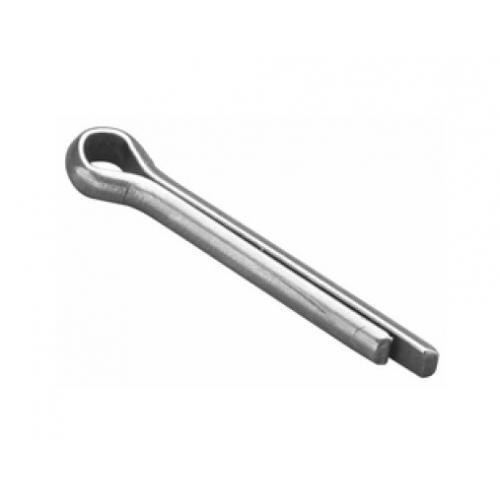
| Cotters and Cotter Pins | Iron or Steel | 7318.24 |
| Spring Washers | Iron or Steel | 7318.22 |
| Self-Tapping Screws | Stainless Steel | 7318.14 |
| Machine Screws | Stainless Steel | 7318.13 |
| Brass Nuts and Bolts | Copper or Brass | 7415.33 |
| Aluminum Fasteners | Aluminum | 7616.10 |
| Plastic Fasteners | Plastic | 3926.90 |
Always confirm your product’s classification using the Dubai Customs HS Code Search before submitting your customs declaration.
Importing fasteners into the UAE requires proper documentation and compliance with trade regulations. Follow these steps for smooth clearance:
Companies operating within Jebel Ali Free Zone (JAFZA), KIZAD, or Sharjah Free Zone are typically exempt from import duties if their goods are intended for re-export.
The UAE’s advanced ports and logistics infrastructure make it a preferred re-export hub for fasteners destined for Africa, Asia, and Europe.
To ensure compliance when exporting, include the following in your documentation:
Using accurate export fasteners from UAE HS code details ensures global recognition and seamless customs clearance at destination ports.
Incorrect classification is one of the most common reasons for customs delays and penalties. Avoid these mistakes to keep your shipments on track:
When unsure, consult a licensed customs broker in Dubai or Abu Dhabi to validate your fastener codes before filing documents.
Fastener imports in the UAE are expected to grow by over 7% in 2025, fueled by construction, renewable energy, and manufacturing projects.
Top trends influencing the market include:
Understanding fasteners import duty UAE and keeping up with market changes will help you reduce costs and maintain competitiveness.
Finding a dependable supplier is key to maintaining quality, compliance, and timely delivery in the fastener industry. Choosing an experienced supplier such as Hamza Fasteners ensures that you receive certified products, accurate HS documentation, and expert support throughout the import and export process.
Consider these factors when selecting your fastener partner:
Hamza Fasteners stands out in the UAE fastener market for its reliability, competitive pricing, and commitment to delivering premium-quality products that meet international standards.
HS Codes are international classification numbers used to identify products for customs and taxation.
Use the UAE Customs Tariff Portal or consult a licensed customs broker for accurate classification.
Yes, a standard 5% VAT applies unless the goods are imported into a free zone for re-export.
HS Codes are reviewed annually by the GCC and World Customs Organization (WCO) to align with new trade developments.
Knowing the correct HS Codes for fasteners in the UAE is vital for importers, exporters, and distributors looking to streamline trade operations in 2025. Accurate classification ensures customs compliance, prevents costly delays, and maintains transparency in your supply chain.
With ongoing infrastructure development and industrial expansion, demand for reliable and high-quality fasteners is rising across the UAE. Staying updated with tariff changes and documentation standards will keep your business ahead in this competitive market.
For premium, certified and export-ready products, Hamza Fasteners continues to be a trusted supplier in UAE, offering durable fasteners that meet international standards and support smooth customs processing for every shipment.
November 14, 2024
November 28, 2024
December 14, 2024
December 28, 2024
January 17, 2025
All Rights Reserved © Hamza Fasteners