


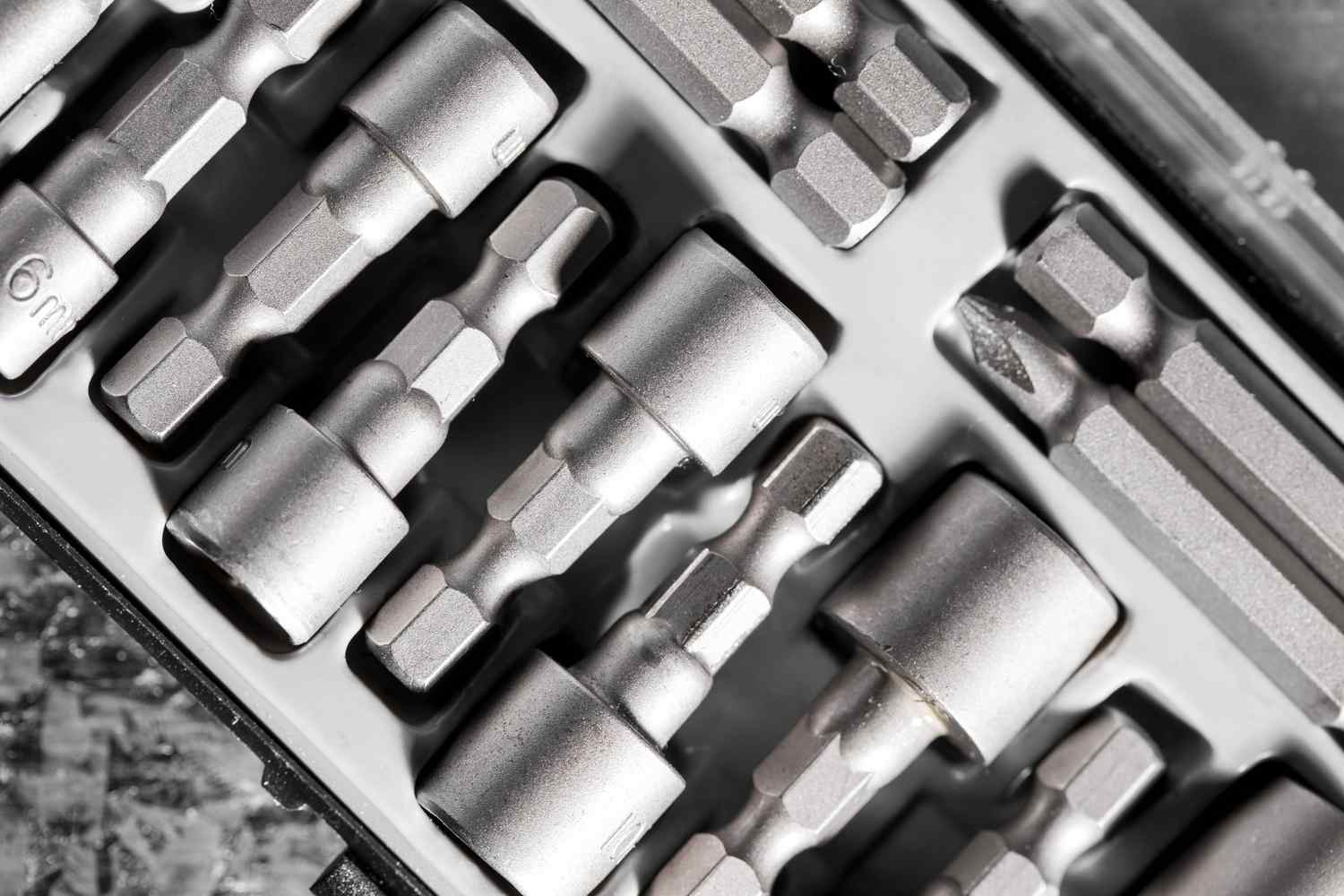
In modern industries, every component matters, and fasteners are among the most crucial. From skyscrapers and heavy machinery to automobiles and oil rigs, high tensile fasteners ensure structural stability and safety under extreme conditions.
Their exceptional strength, durability, and resistance to stress make them essential in industrial operations where reliability cannot be compromised.
High tensile fasteners are bolts, nuts, and screws designed from alloy or carbon steel and heat-treated to achieve high strength and performance. The term “tensile” refers to their ability to resist tension or being pulled apart. These fasteners are engineered to perform in demanding environments where standard fasteners would fail.
They are typically categorized by strength grades such as 8.8, 10.9, and 12.9, with higher grades offering greater tensile and yield strength. Their ability to maintain joint integrity under heavy load and vibration makes them indispensable in critical industrial systems.
High tensile fasteners play a crucial role in industrial applications by providing strength, reliability, and safety in high-stress environments where standard fasteners may fail.
They are essential for connecting and securing components in industries like construction, automotive, aerospace, and oil and gas, ensuring structural integrity under heavy loads, vibrations, and extreme conditions.
High tensile fasteners are designed to secure heavy loads without breaking or deforming. This is vital for load-bearing structures such as bridges, skyscrapers, and heavy-duty machinery.
By preventing joint failure and maintaining structural connections, these fasteners protect workers, minimize downtime, and reduce costly repairs.
They provide durable and stable connections for critical components such as suspension systems and industrial machinery, ensuring consistent performance and long-term stability.
Manufactured from materials such as alloy or stainless steel, these fasteners resist corrosion, pressure, and temperature variations, making them ideal for oil and gas or marine environments.
Their superior durability reduces wear and fatigue, minimizing replacement frequency and lowering long-term maintenance costs.
High tensile fasteners are used to connect steel beams, columns, and joints in bridges, towers, and high-rise buildings. They provide the strength and stability needed to withstand dynamic loads, wind pressure, and seismic activity.
In vehicles, they are used in chassis, engine assemblies, and suspension systems where constant vibration and torque occur. Their reliability enhances both vehicle performance and passenger safety.
From cranes and turbines to conveyors and production systems, high tensile fasteners keep machinery operating safely under continuous stress and load.
Pipelines, pressure vessels, and offshore platforms rely on corrosion-resistant high tensile fasteners to endure high pressure, moisture, and temperature extremes, maintaining leak-proof and safe operations.
Aircraft assembly requires fasteners with a high strength-to-weight ratio. High tensile bolts ensure secure connections while minimizing weight for optimal performance and safety.
Choosing the correct high tensile fastener ensures safety and performance. Engineers and technicians should consider the following:
Match strength grade and coating to application requirements.
Follow manufacturer torque specifications to avoid overtightening or under-tightening.
Use compatible metals to avoid galvanic corrosion.
Galvanized or zinc-plated fasteners enhance resistance to moisture and rust.
Periodic maintenance checks prevent failure from wear, loosening, or corrosion.
Proper installation and monitoring ensure long-term reliability in critical systems.
The fastener industry is constantly evolving to meet modern engineering challenges.
Equipped with sensors that monitor load, stress, and temperature for predictive maintenance.
Additive manufacturing enables customized, high-precision fasteners for specialized applications.
Sustainable, non-toxic coatings are replacing traditional plating methods.
New materials offer improved strength, corrosion resistance, and fatigue life.
These innovations continue to elevate the role of high tensile fasteners in next-generation industrial applications.
Despite their advantages, high tensile fasteners require proper handling and design consideration. Common challenges include:
Addressing these factors during design and assembly maximizes performance, reliability, and safety.
High tensile fasteners provide superior strength, durability, and safety across industries. Discover their roles, applications, and benefits with Hamza Fasteners UAE.
High tensile fasteners are made from specially treated steel alloys to achieve greater tensile and yield strength, making them suitable for heavy-duty and high-stress applications.
They are widely used in construction, automotive, oil and gas, heavy machinery, and aerospace industries where load-bearing capacity and safety are critical.
Selection depends on load capacity, environmental conditions, and the type of application. Common industrial grades are 8.8, 10.9, and 12.9.
Yes, when made from stainless steel or coated with protective finishes like zinc or galvanization, they can resist corrosion even in harsh environments.
Hamza Fasteners offers top-quality industrial fasteners that meet international standards, providing durable, cost-effective, and reliable solutions for diverse industrial needs.
High tensile fasteners are the backbone of modern industrial engineering. Their unmatched strength, durability, and resistance to stress make them indispensable in applications ranging from infrastructure and heavy machinery to automotive and aerospace.
If you are looking for premium-quality high tensile fasteners in UAE, Hamza Fasteners Building Materials Trading is one of the leading suppliers of industrial fasteners and hardware solutions.
Contact Specialized Fasteners today to source durable and high-performance fasteners that meet your project’s toughest demands.
November 14, 2024
November 28, 2024
December 14, 2024
December 28, 2024
January 17, 2025
All Rights Reserved © Hamza Fasteners