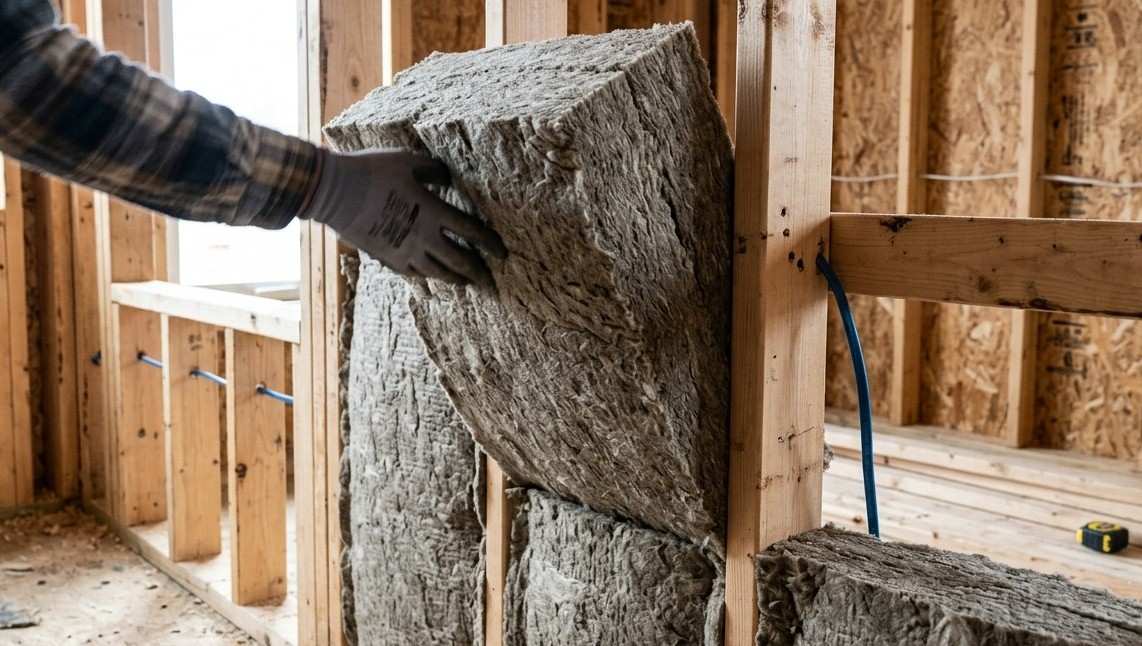
Commercial buildings face heavy daily use, strict fire codes and rising energy costs. The insulation chosen for offices, warehouses, hotels and factories has a direct impact on comfort, safety and running expenses for years to come.
Rockwool insulation has become one of the most trusted materials for these projects because it combines thermal control, fire protection and sound absorption in one product. Here are the key benefits that make it a smart choice, along with the fastening solutions that help it perform at its best.
Before comparing insulation options, it helps to know what commercial buildings actually need. Fire code compliance, thermal performance, noise control and a long service life all play a part in the final decision. The benefits below break down exactly how rockwool insulation delivers on each of these requirements.
1. Superior Thermal Performance
Rockwool is made from molten basalt rock and recycled slag spun into fine fibers. The dense structure traps air pockets that slow heat movement through walls, roofs and ductwork.
- Keeps indoor temperatures stable in every season
- Reduces load on HVAC systems
- Lowers monthly energy bills
Rockwool typically delivers an R value between R2.0 and R5.0 per inch, higher than standard fiberglass at the same thickness, which means less material is needed to reach the same thermal target.
2. Outstanding Fire Resistance
Rockwool is naturally non combustible and can withstand temperatures beyond 1000 degrees Celsius without melting or feeding a fire. Hospitals, data centers and warehouses rely on this property because it slows flame spread and gives occupants more time to evacuate safely.
3. Excellent Acoustic Control
The dense fibrous structure absorbs airborne noise instead of letting it bounce around a room. Offices, hotel corridors and shared walls benefit from lower noise transfer, creating calmer and more productive spaces, especially near busy roads or industrial areas.
4. Moisture and Mould Resistance
Rockwool repels water rather than absorbing it, which keeps the material dry even in humid climates. Because it resists moisture, it also resists mould, mildew and bacterial growth, protecting indoor air quality in kitchens, bathrooms and coastal buildings.
5. Long Service Life and Durability
Rockwool holds its shape for decades once installed correctly and resists rot, pests and general wear. It can last the full lifetime of a building, giving facility managers fewer replacements and lower long term maintenance costs.
6. Secure Fastening with Rockwool Pins
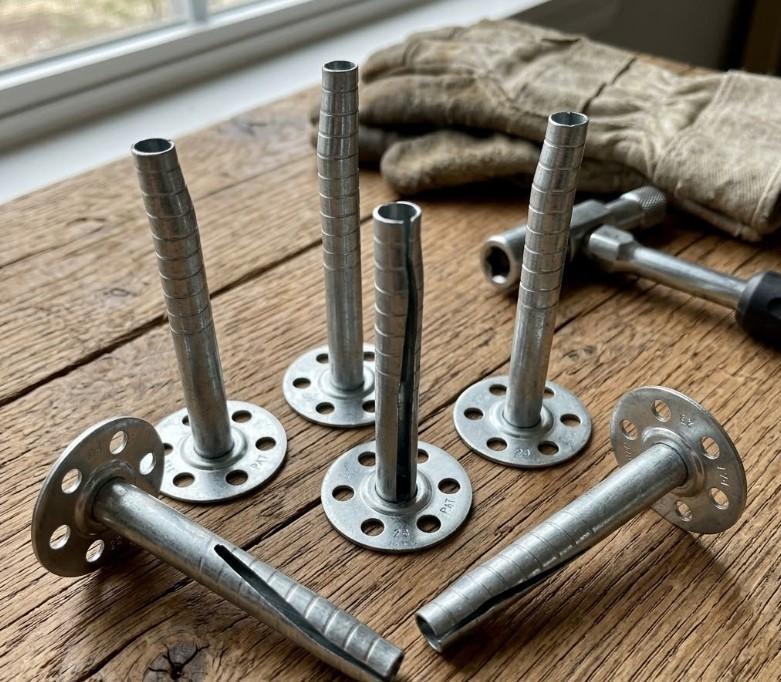
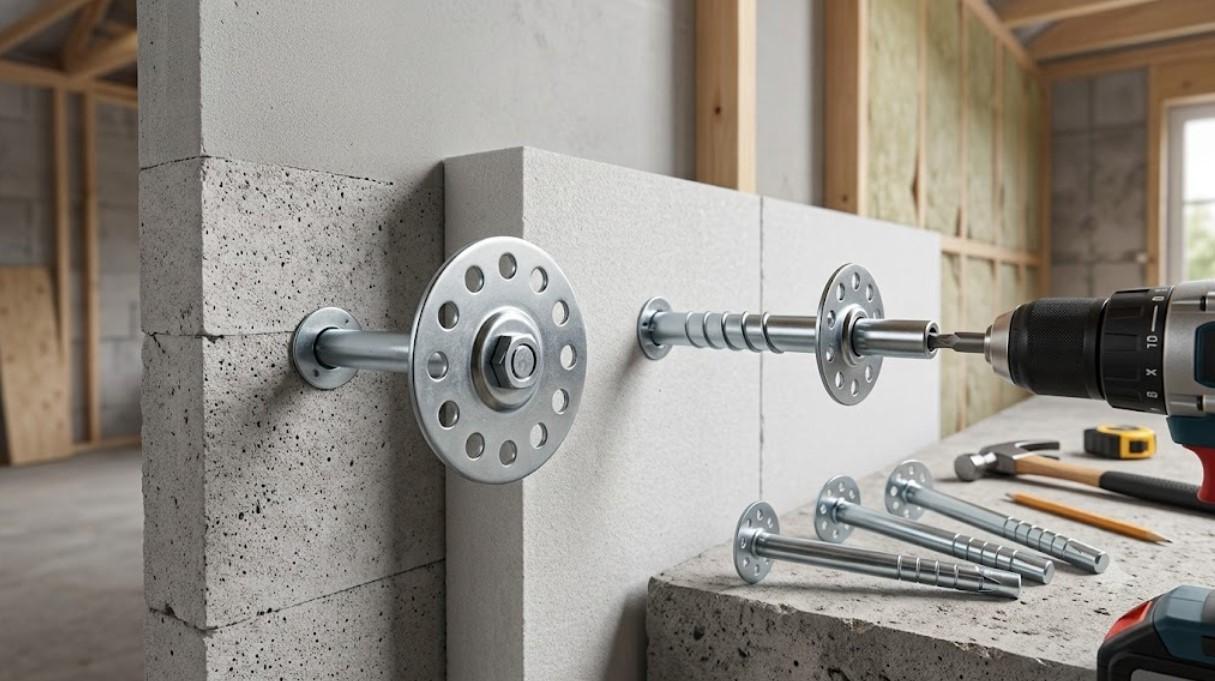
Good insulation only performs well when it stays firmly in place. Rockwool pins hold boards and blankets tightly against ducts, walls and equipment so they do not shift or sag. Contractors should first review the different types of rockwool pins to choose the right fastener for each surface, and can source quality options directly from a trusted Rockwool pin supplier in the UAE.
7. Cost Effective Over the Project Lifespan
Rockwool costs more upfront than basic alternatives, but its energy savings, long lifespan and low maintenance needs make it a strong investment. Many teams also check rockwool insulation pins price in UAE early in planning so fastening costs are budgeted alongside the insulation itself.
8. Easy Installation for HVAC and Duct Systems
Commercial HVAC systems depend on properly insulated ductwork to run efficiently. Boards and blankets can be cut to size and secured with pins for a snug fit. Contractors who follow the correct steps to install rockwool pins for HVAC duct insulation achieve stronger thermal performance and fewer repairs later.
9. Environmental Sustainability
Rockwool is produced from natural basalt rock and recycled industrial slag, often with a high share of recycled content. It releases no formaldehyde or harmful chemicals and is recyclable at the end of its service life, supporting green building goals.
10. Versatile Applications Across Commercial Projects
Rockwool adapts to many commercial needs, which is one reason it stays popular across industries.
- Wall and ceiling insulation in offices and retail spaces
- Fire rated barriers in high rise and mixed use buildings
- Acoustic insulation in hotels, theaters and studios
- Pipe and duct insulation for HVAC systems
- Insulation for boilers, tanks and industrial equipment
Whatever the application, performance depends on using the right materials from a reliable source. Working with an established Rockwool insulation pin supplier UAE ensures contractors get fasteners and accessories suited to each of these commercial settings.
Conclusion
Rockwool insulation gives commercial projects a rare mix of thermal efficiency, fire safety, acoustic comfort and long term durability in one material. Paired with the right fastening system, it performs reliably across offices, hotels, factories and HVAC installations for many years.
Choosing quality pins and fasteners matters just as much as choosing the insulation itself. For dependable products and expert support, choose Hamza Fasteners, a trusted supplier serving commercial projects across the region.
Get in touch with our insulation fastening specialists for expert guidance and premium products for your next commercial project.
Expert Guides on Fastening Solutions
Discover in-depth guides and practical insights to help you make informed decisions across industrial fastening and engineering applications.
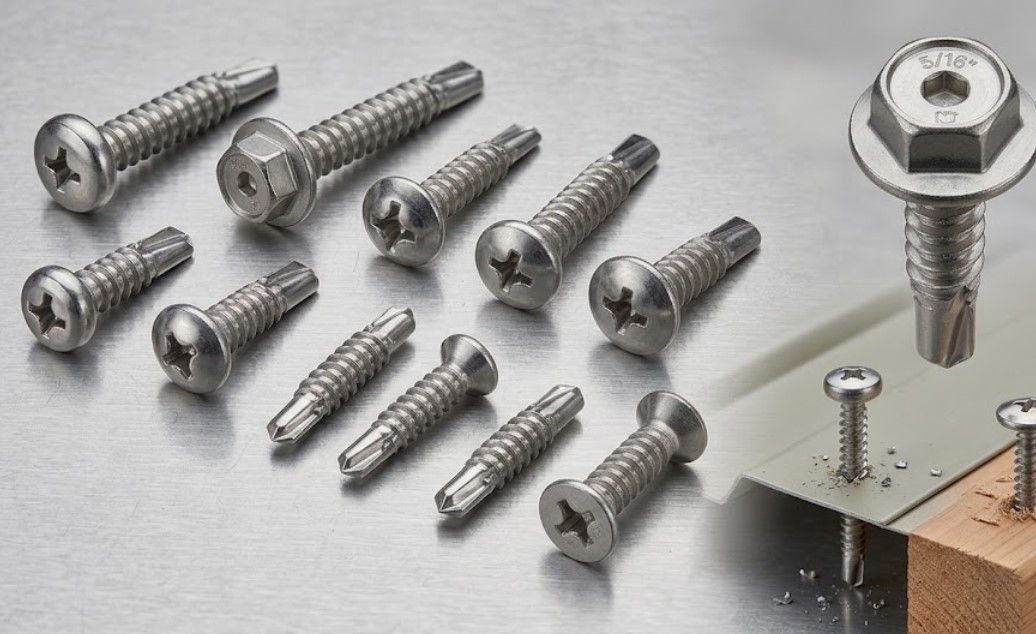
- Understanding Self-Drilling Screws: A Comprehensive Guide: Everything you need to know about self-drilling screws, their types, applications, and benefits.
- Anchor Bolts and Through Bolts: A Complete Guide: Learn the key differences, uses, and selection tips for anchor bolts and through bolts.
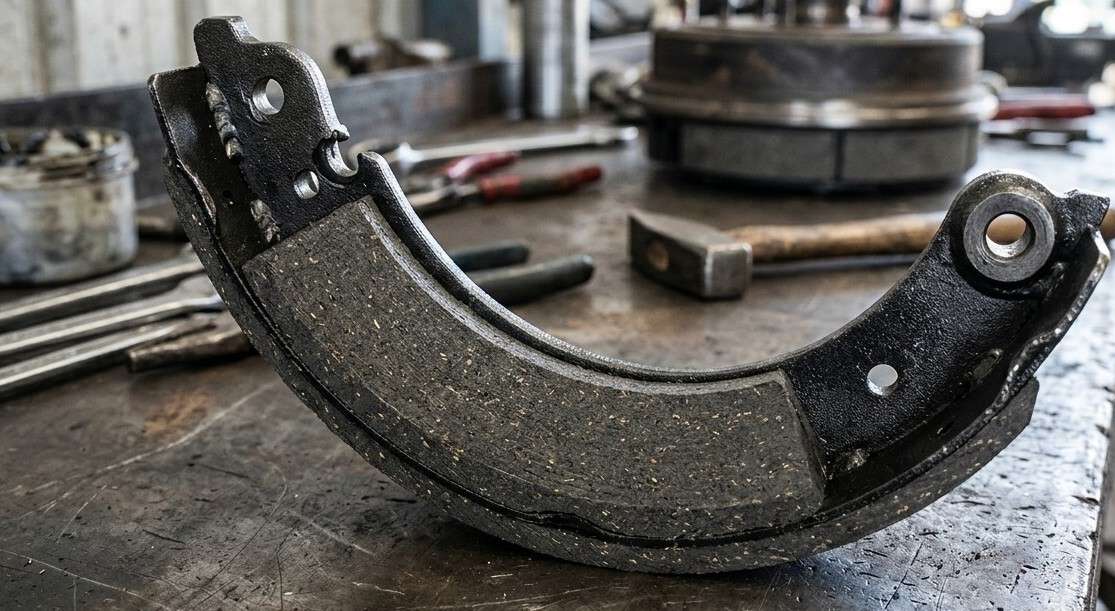
- Biggest Brake Liner Manufacturers in UAE: Complete Guide: Powering UAE industries with braking solutions and trusted manufacturing excellence.
- How to Select a Reliable Brake Liner Supplier in Dubai: Your guide to choosing trusted brake liner suppliers in Dubai for quality and durability.
- Top 5 Brake Liners in UAE: Performance & Safety Compared: A detailed comparison of leading brake liners for durability, efficiency, and safety.